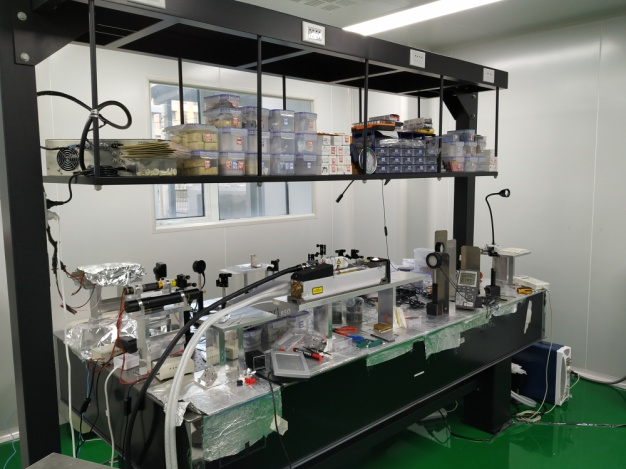
Use this section to enter by industry or production environment before choosing repair, manufacturing, or component sourcing.
Applications
Choose the industry context first, then follow the service path that fits.
Some customers know the process environment before they know the exact source assembly or part family. This page lets them start from that industry context and move into the right service path.
Each application area shapes the service path in a different way.
Different industries usually arrive with different kinds of usable information: tool model, process step, source behavior, or failure symptoms. These entry points reflect that reality.
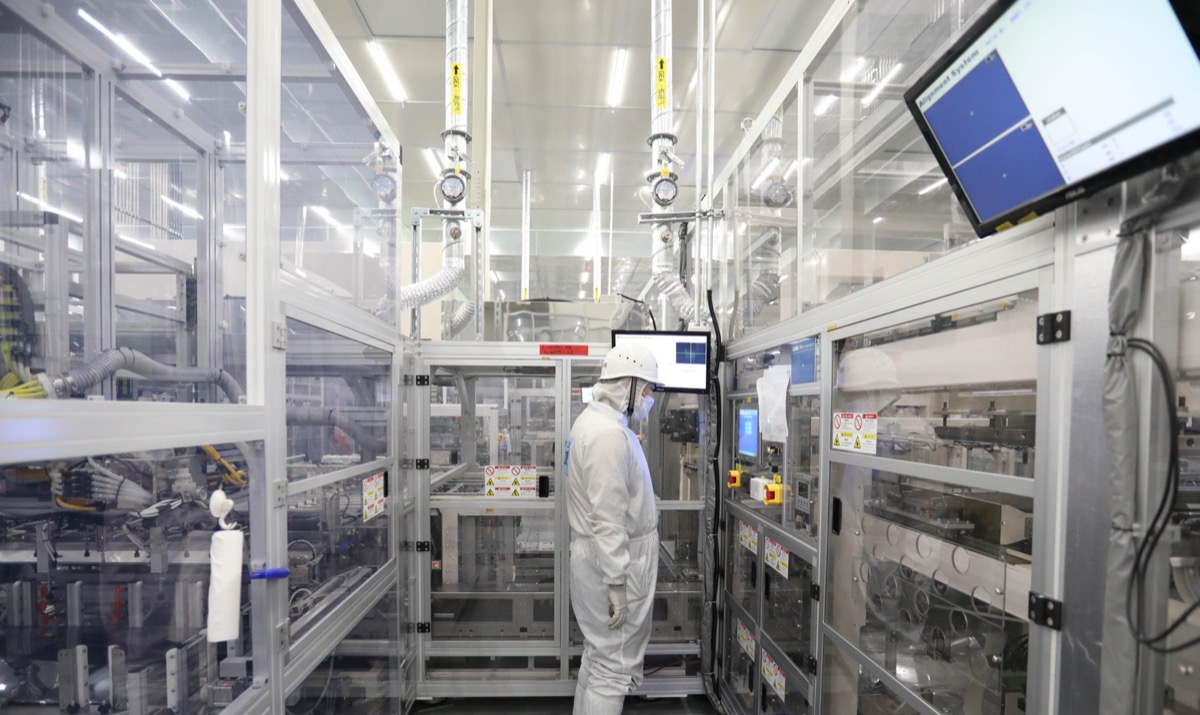
Semiconductor Manufacturing
Inspection, metrology, and process-tool support.
These projects usually depend on platform identity, source continuity, and a clear view of how the laser fits the tool workflow.
The same service type can mean very different things in different environments.
Industry context changes urgency, documentation, OEM dependency, and what counts as a practical next step.
Installed tool logic
Semiconductor and display cases often start from platform identity
In tool-driven environments, model names, OEM branches, and service history tend to matter more than abstract source theory in the first conversation.
Field continuity logic
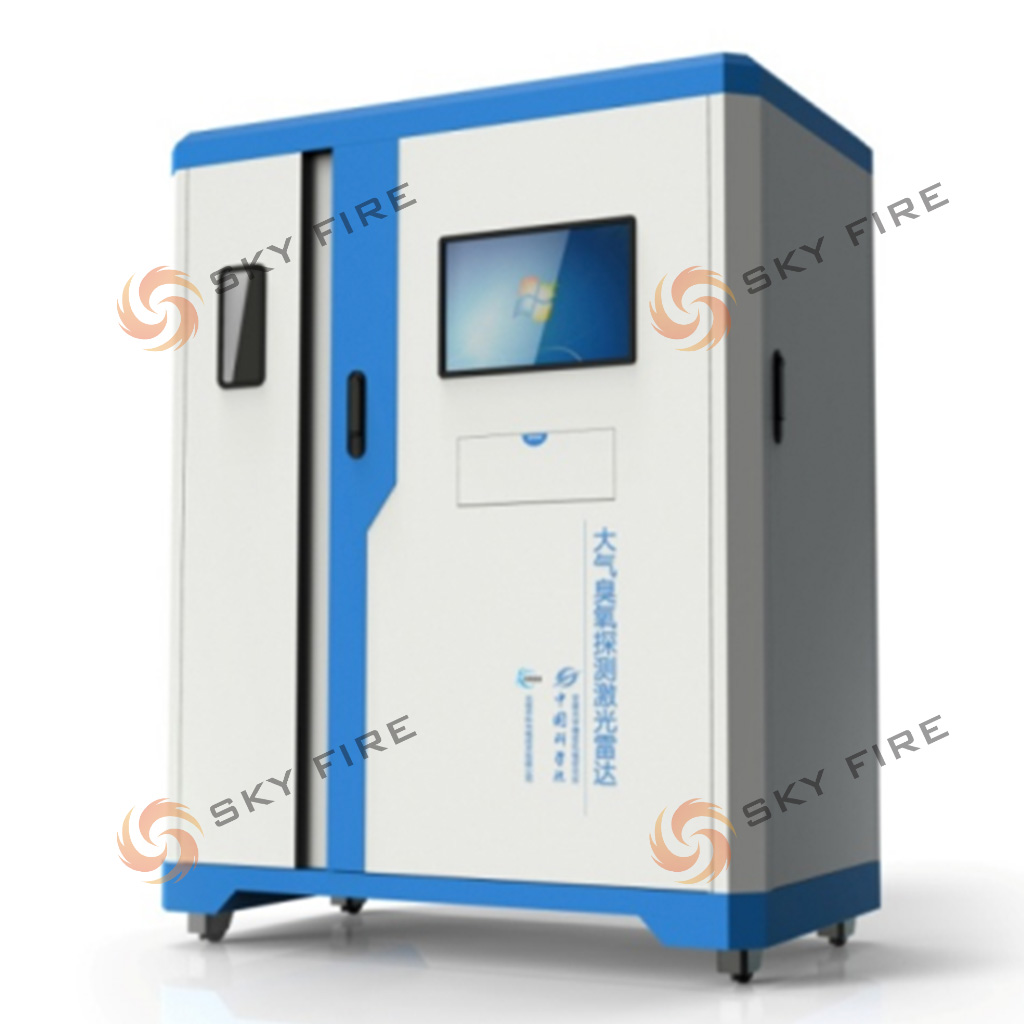
Lidar and industrial requests usually prioritize uptime and practical replacement paths
These cases often move quickly when the discussion stays focused on continuity, compatibility, and what can be confirmed from visible labels or system symptoms.
Performance logic
Research systems often need a more careful interpretation of behavior and tolerance
Lab-side requests may begin with fewer commercial references and more emphasis on actual source behavior, stability, and operating conditions.
Next Action
If you know the application but not the technical details, start here and then send an RFQ.
Application context alone is already enough to begin a useful conversation. The rest can be confirmed from labels, photos, logs, or project notes.