Drivers and electronics sourcing for control-side replacement and platform continuity.
Electronics-side requests often begin when a source is behaving incorrectly, a control path has failed, or a platform needs a practical replacement path for a driver or support board.
Driver and electronics sourcing usually starts from how the system is behaving now.
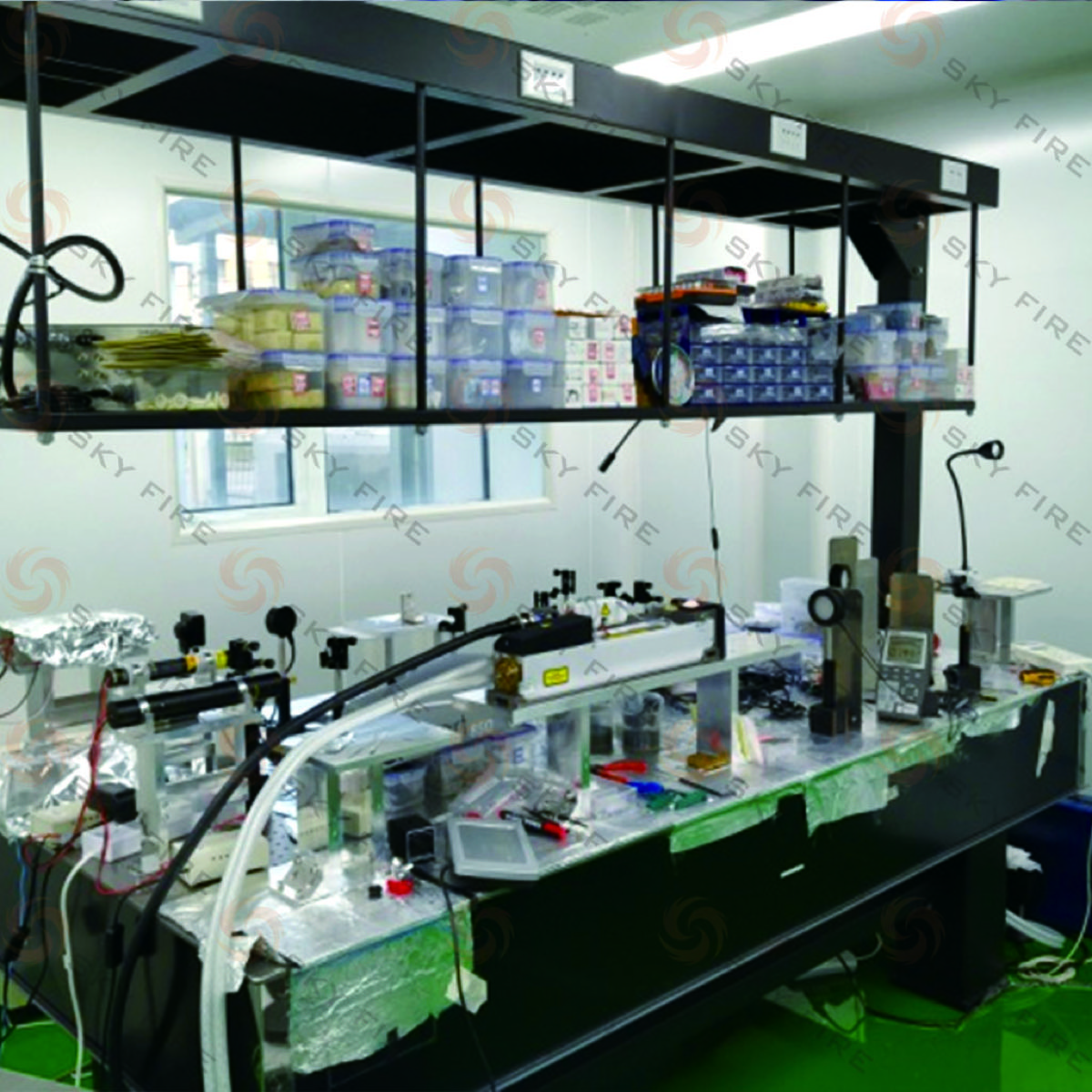
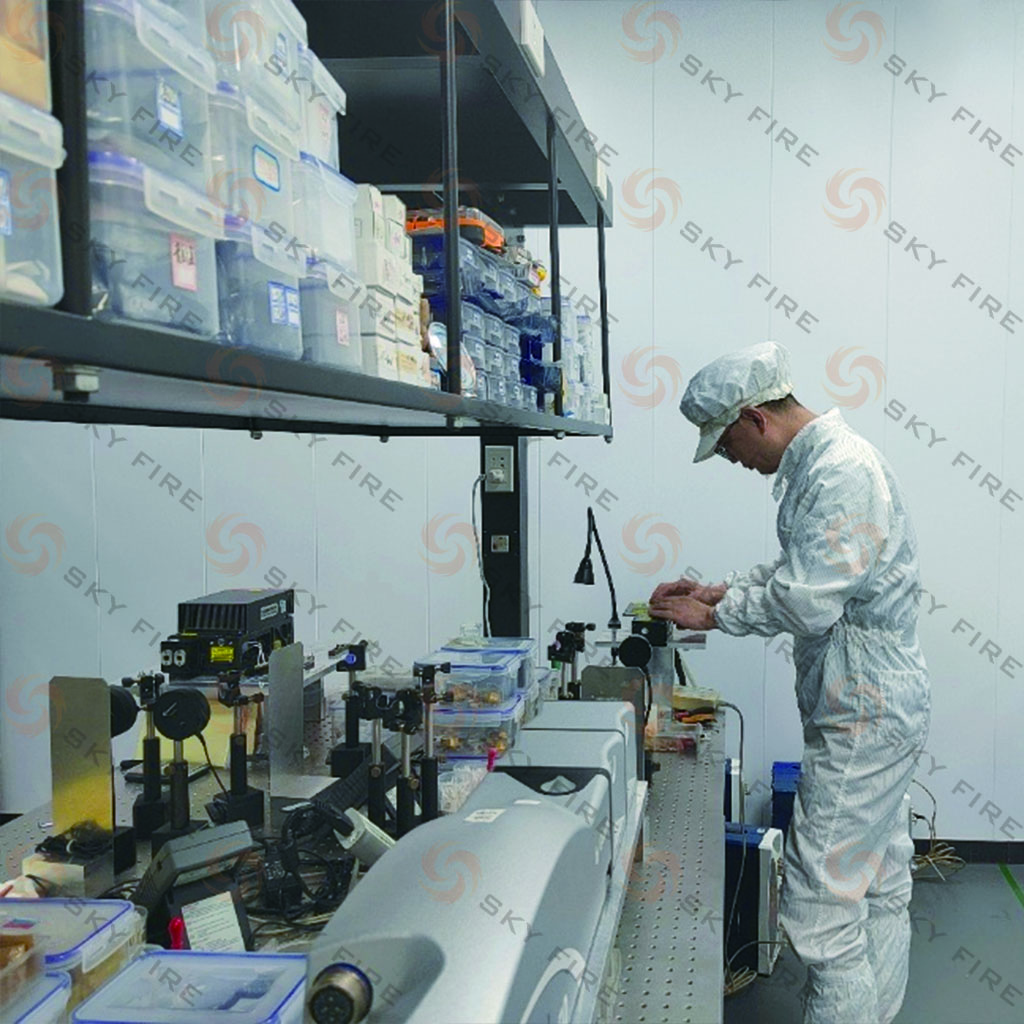
Control-side component requests move faster when they are tied to the live platform, visible boards, and a clear note about the current fault or replacement goal.
Board-level identification
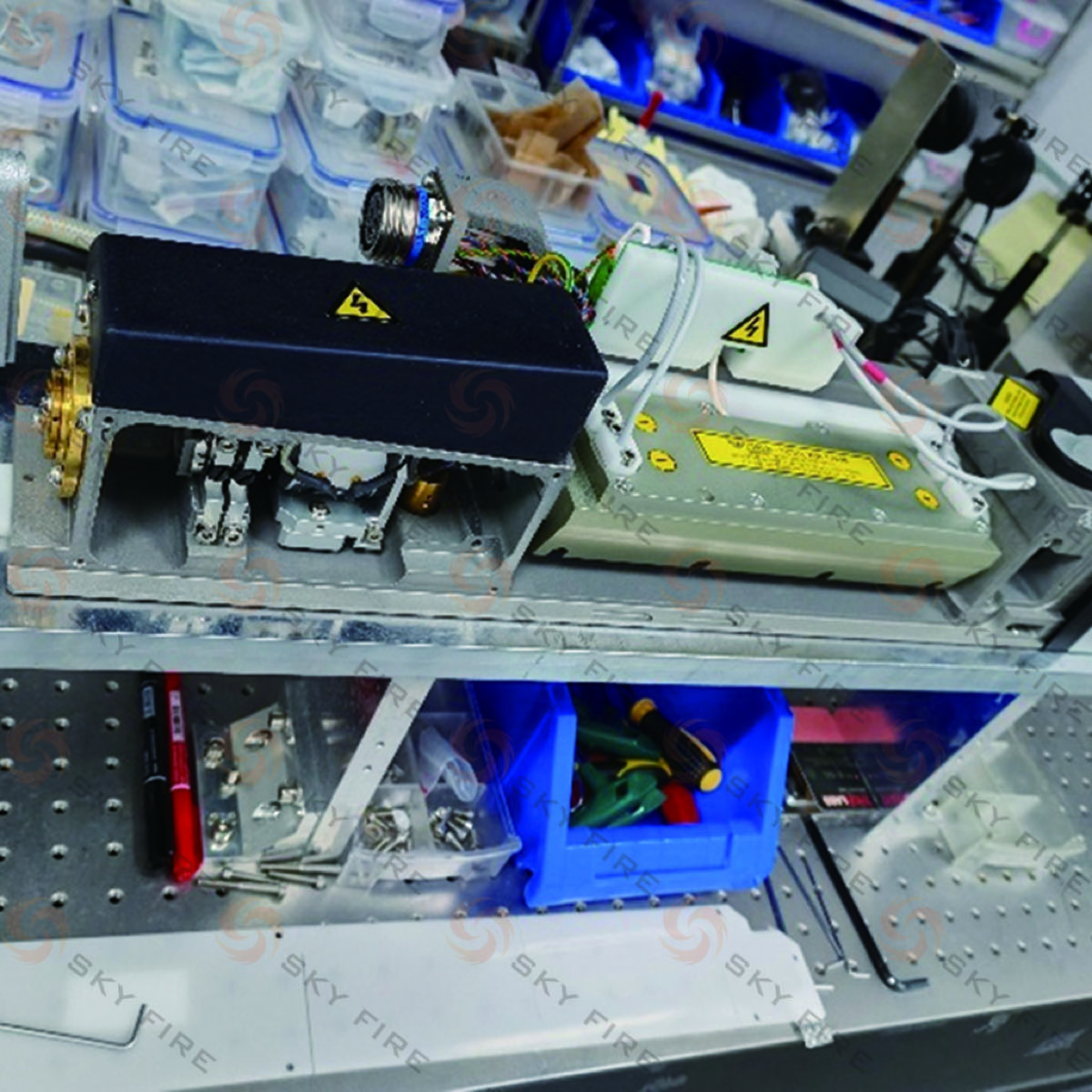
Installed electronics are often easier to identify from the real unit than from memory alone.
Photos of the control area can make a sourcing path clearer quickly.
Repair-linked sourcing
Some requests belong inside a wider diagnosis or continuity decision.
The part path can depend on whether the platform needs a board only or a broader review.
Interface fit
Connectors, controls, and packaging often shape the right replacement route.
The practical solution depends on what the driver has to support inside the rest of the system.
A reliable quote usually depends on real platform context and visible electronics information.
What To Send
The fastest driver and electronics RFQ starts with the platform and the visible board information.
Start with the system name, photos of the board or controller area, and a short note about the present behavior or replacement target.
Platform context
System or OEM model
Share the machine or source path the electronics belong to.
Visible evidence
Board photos, labels, connectors, and markings
These details usually accelerate compatibility review.
Current problem
Fault, replacement goal, or continuity need
Explain what failed or what the replacement is expected to solve.
Typical Buying Paths
Driver and electronics sourcing becomes clearer when the control-side problem is visible.
Board-level requests move faster when they include the platform name, installed board evidence, and a short note on the present system behavior or replacement goal.
Board replacement
For cases where the installed electronics can be identified clearly.
This route is strongest when board photos, labels, and connector details are already available.
Continuity-led review
For systems that need a supportable control path, not just a quick guess.
Older platforms often need a more careful replacement review before a safe commercial path can be confirmed.
Integration-led sourcing
For boards and controls tied to a larger subsystem fit question.
The right option depends on how the driver, connectors, and logic need to live inside the full platform.
Best next move
Start with behavior, board photos, and platform identity.
That gives the first sourcing review enough context to be practical.
What Usually Moves Forward
Driver and electronics requests usually become practical in one of three ways.
The first review is most useful when it turns board-level uncertainty into a clear replacement path.
Board identification
Installed electronics get narrowed
Clear board photos and platform context often make the first sourcing route much easier to define.
Continuity review
Control-path replacement gets assessed
Older platforms often need a broader continuity decision before a safe electronics route can move.
Quote readiness
Commercial next step becomes realistic
The review usually ends with the markings, photos, and behavior notes needed for pricing.
Next Action
Send the platform name, electronics photos, and a short note about the current behavior.
That is usually enough to start a control-side sourcing review.