Laser crystal sourcing for repair, rebuild, and manufacturing continuity.
Crystal-related sourcing usually needs more than a material name. It depends on platform context, optical fit, packaging, and how the part behaves inside the actual source path.
Crystal sourcing usually sits inside a broader system question.
The practical task is to identify a sourcing path that fits the platform, the optical path, and the commercial need of the project.
Optical-path context
Crystal requests make more sense when the surrounding system is visible.
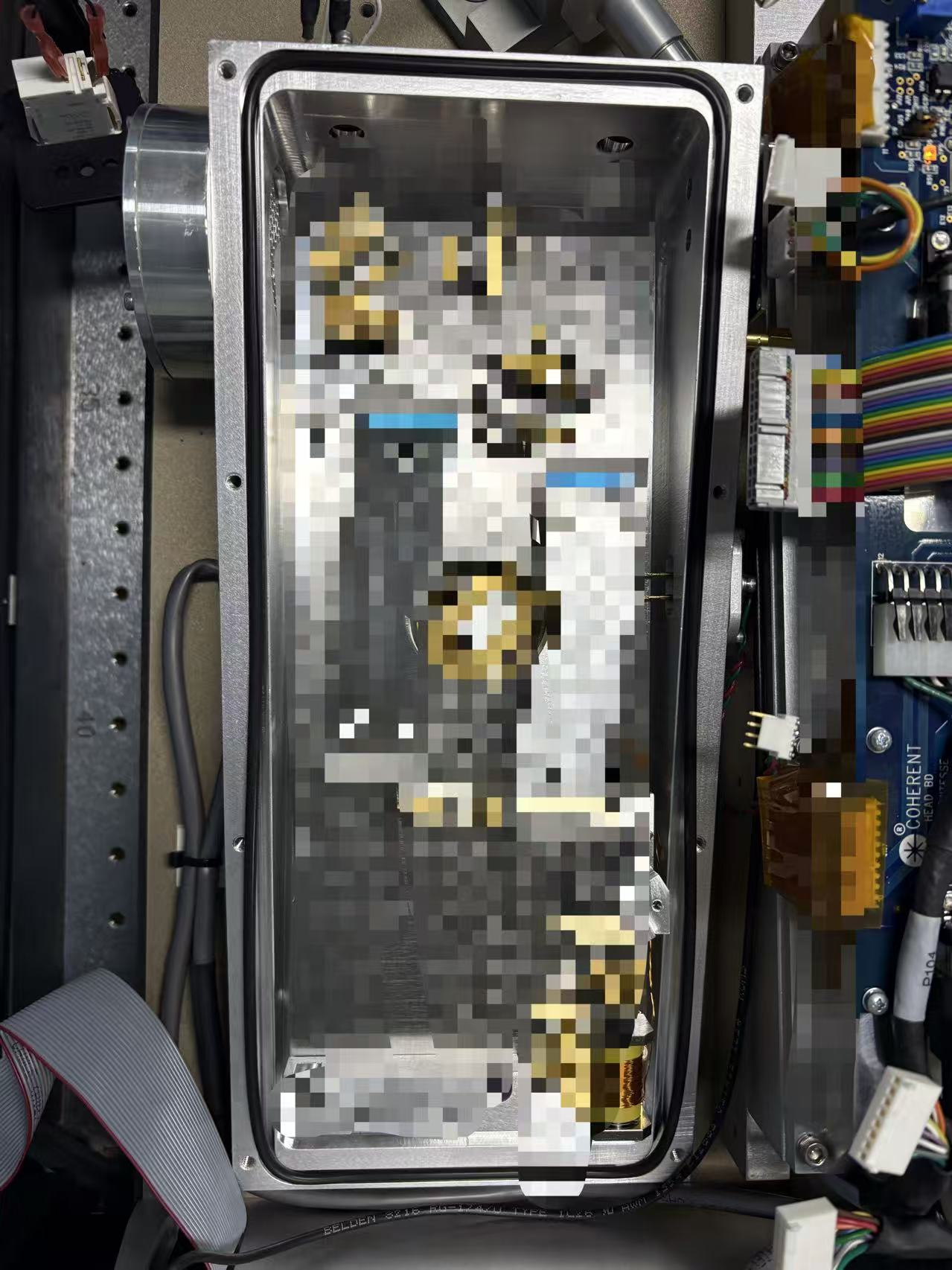
Photos of the cavity or installed area often help define what compatibility actually means.
Repair-side evaluation
Some crystal requests are inseparable from a broader service decision.
Replacement planning can depend on what the system is doing today and whether a larger rebuild is already under review.
Manufacturing-side sourcing
New build projects may need crystal supply aligned to a broader source path.
In those cases, the part must be considered inside the real subsystem plan.
Validation planning
Technical review helps avoid ordering the right material in the wrong form.
Fit, geometry, and the surrounding system often matter more than a simplified part label.
What To Send
The clearer request includes the system, the optical context, and the replacement goal.
Start with the platform name, photos, and what you believe the crystal is doing in the source path. That is usually enough to begin the first review.
Source context
Platform, cavity, or system name
Share where the crystal sits in the real source path.
Visible evidence
Photos, labels, and surrounding optics
These details help narrow compatibility more quickly than a partial memory of the part name.
Replacement intent
Repair, rebuild, or new manufacturing need
The sourcing path changes depending on whether the goal is continuity, refresh, or a new program.
Typical Buying Paths
Crystal sourcing becomes clearer when the optical role is known.
Material alone is rarely enough. Buyers move faster when the request explains where the crystal sits, what the current system is doing, and whether the goal is repair continuity or a broader rebuild.
Repair continuity
For systems where a crystal issue is tied to source recovery.
These requests usually depend on platform identity, optical context, and a realistic view of the rest of the source path.
Rebuild path
For cavity or subsystem refresh work.
The crystal choice often needs to be considered together with other optical and thermal decisions already under review.
Manufacturing support
For new build programs that need crystal supply aligned to the design path.
This route matters when a crystal has to fit a broader source architecture rather than solve one isolated replacement issue.
Best next move
Show the crystal area and the system around it.
That usually helps confirm fit faster than a partial material reference alone.
What Usually Moves Forward
Crystal sourcing usually becomes practical in one of three ways.
The review is strongest when it turns a vague material request into a fit-aware sourcing path.
Fit review
Optical role gets clarified
The first result is often a clearer understanding of what the crystal is doing inside the source path.
Replacement route
Geometry and context narrow the sourcing path
Many requests move once the physical form and surrounding optics are visible.
Quote readiness
Technical confirmation supports pricing
The review usually ends with the details needed before a reliable commercial offer can be prepared.
Next Action
Send the platform name, photos, and the role the crystal plays in the current source path.
A clean first RFQ does not require a perfect part code. It requires context.