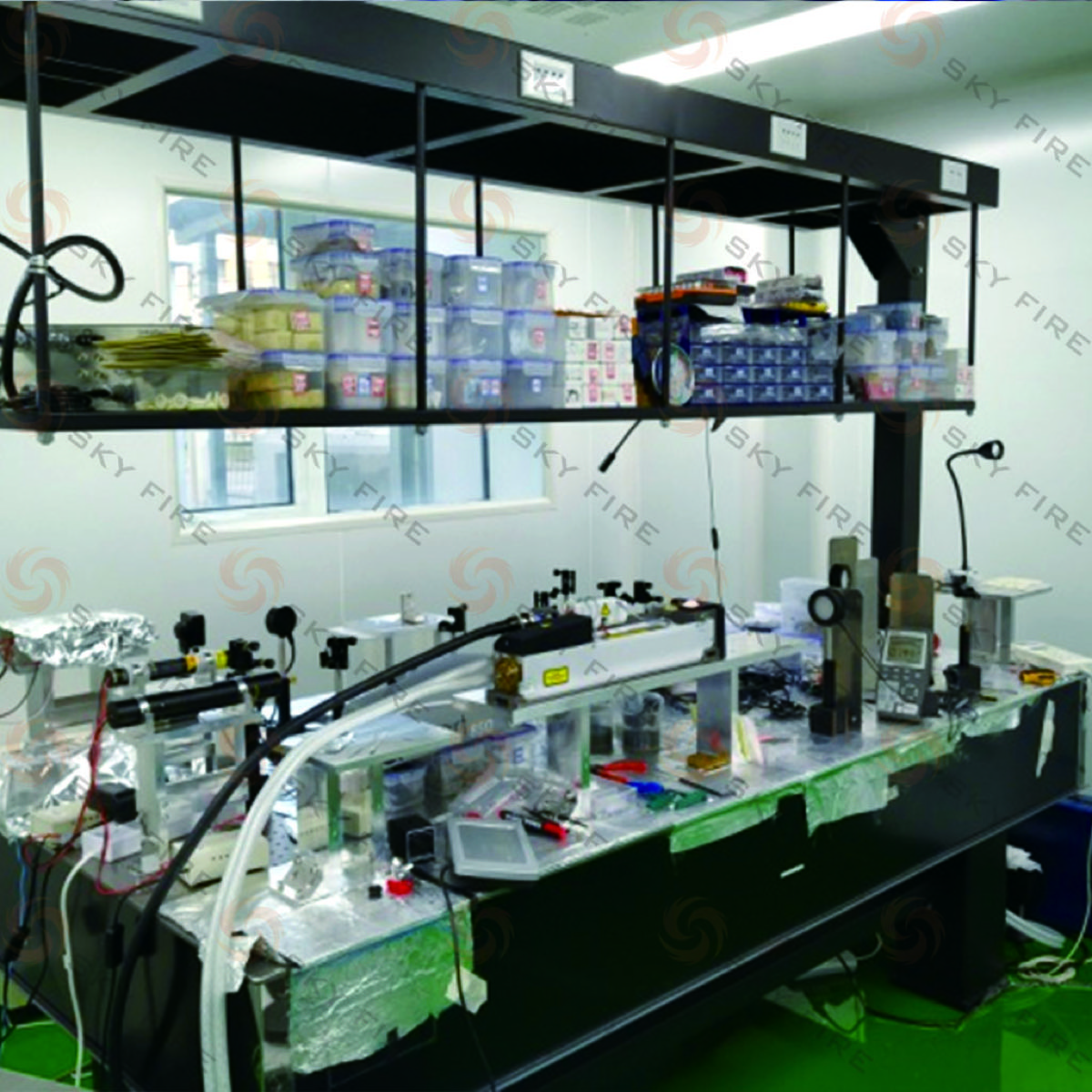
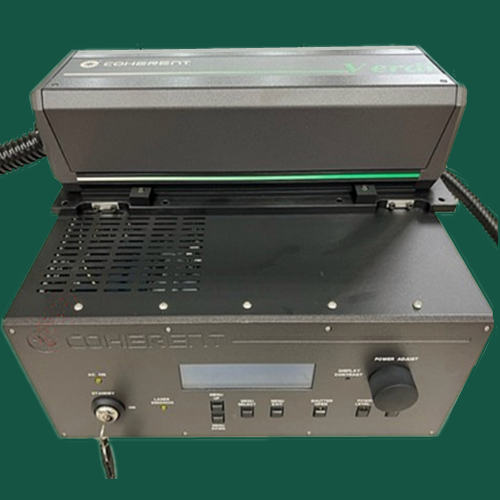
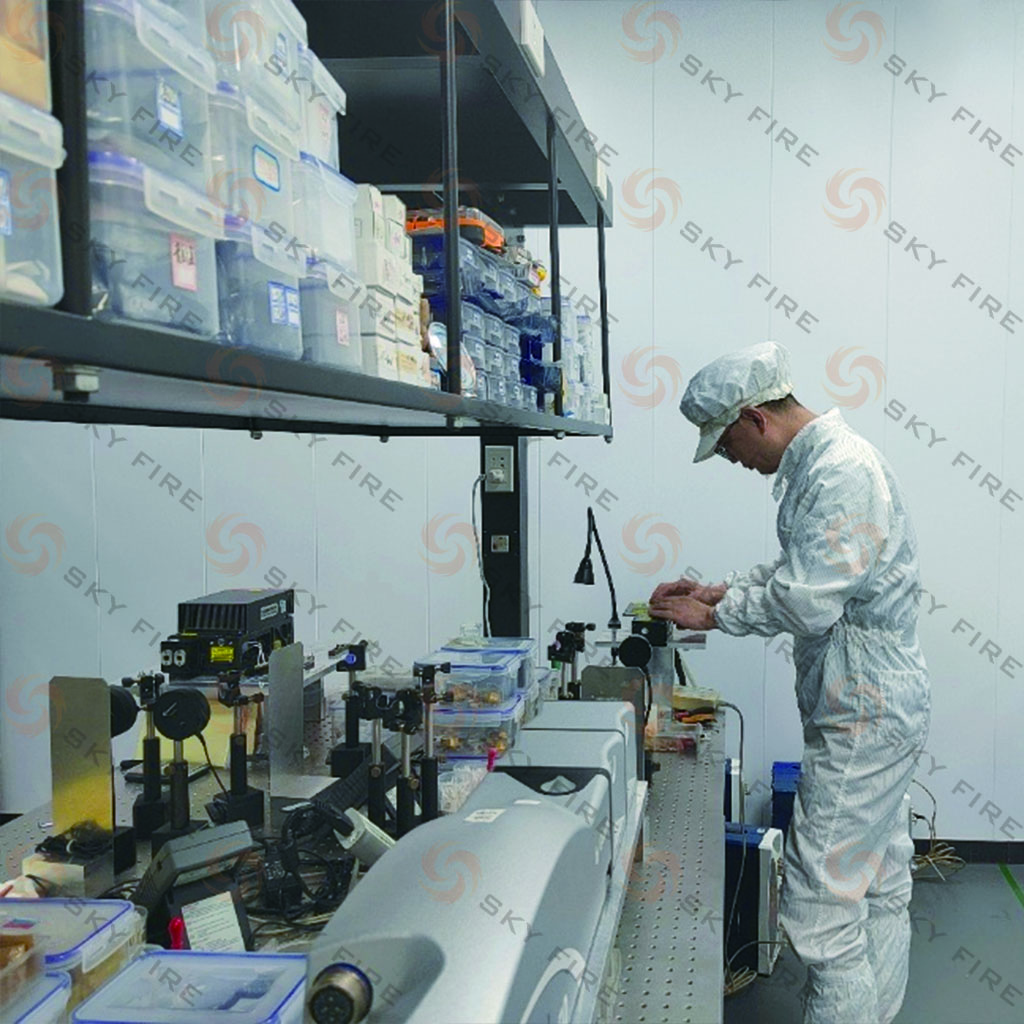
Legacy spare parts for platforms that no longer have an easy original support path.
This page is for harder-to-source spare parts tied to older systems, discontinued platforms, or continuity-led projects where the practical question is how to keep the system running without wasting time on unrealistic supply assumptions.
Legacy spare-part work usually starts where the original support path has become weak.
Customers in this lane are often trying to avoid downtime on a platform that no longer has simple sourcing, clear documentation, or an easy OEM route.
Older platform continuity
Legacy systems often need a practical parts path before anything else can move.
The spare-part question is frequently inseparable from a broader continuity decision.
Repair and parts together
Some systems need a spare path and a service path considered at the same time.
The right action may be replacement only, staged sourcing, or a broader rebuild route.
Model-led sourcing
Platform identity often matters more than a precise modern purchasing code.
When documentation is incomplete, the model and visual evidence become the practical starting point.
Compatibility before commitment
Legacy part requests benefit from a realistic review before quotation.
The correct commercial path depends on what can still be sourced and what can still be supported.
What To Send
Legacy spare-part requests move faster when the platform identity is clear.
Start with the system name, visible labels, photos of the installed area, and a short note about what continuity problem you are trying to solve.
System identity
Platform, OEM, or legacy model
Older systems are best matched from their actual identity, not from incomplete remembered part names.
Visible evidence
Labels, photos, and failed-part context
These details usually make the first sourcing review much more practical.
Continuity goal
Immediate recovery or future support
Tell us whether the need is urgent recovery, planned backup stock, or longer-term continuity support.
Typical Buying Paths
Legacy spare-part work is usually a continuity problem first.
These requests move best when the system identity, the urgency, and the continuity goal are clear. The right answer may be a direct spare, a compatible substitute, or a broader replacement path.
Direct legacy spare
For platforms where the original part path can still be narrowed from labels and installed evidence.
This is the cleanest route when the system identity is well documented and visual evidence is available.
Compatible substitute
For cases where a practical alternative is more realistic than a perfect original match.
These reviews depend on understanding what the platform actually needs to keep operating safely.
Continuity package
For systems that may need parts plus broader support planning.
Some legacy requests are better solved through staged sourcing, repair support, or a wider rebuild discussion.
Best next move
Start from the platform and the continuity pressure.
That makes it easier to choose the right commercial path before time is lost on unrealistic sourcing assumptions.
What Usually Moves Forward
Legacy spare-part requests usually move into one of three continuity-led paths.
The first review is most useful when it replaces unrealistic supply assumptions with a supportable next step.
Direct legacy match
Existing evidence supports a spare path
When labels and installed photos are clear, some requests can move toward a practical direct replacement route.
Substitute review
Compatible replacement path gets explored
Many cases move when the review focuses on what can still be supported instead of what used to be sold.
Repair-linked route
Parts and service are reviewed together
For older platforms, the best next step is sometimes a combined continuity plan rather than one spare part alone.
Next Action
Send the platform name and the visible evidence you have, even if the part identity is incomplete.
Legacy requests are usually workable when the system and the continuity goal are clear from the start.