Pump source sourcing for systems that need a practical replacement path.
Use this page when the request is tied to pump-side continuity, replacement planning, or a system refresh where the installed source or module no longer has a simple catalog path.
Pump-source sourcing is usually tied to an installed system, not a blank catalog search.
The practical goal is to match the source path to the platform, the urgency, and the broader repair or continuity decision.
Installed-source matching
Useful when the visible module matters more than the old paperwork.
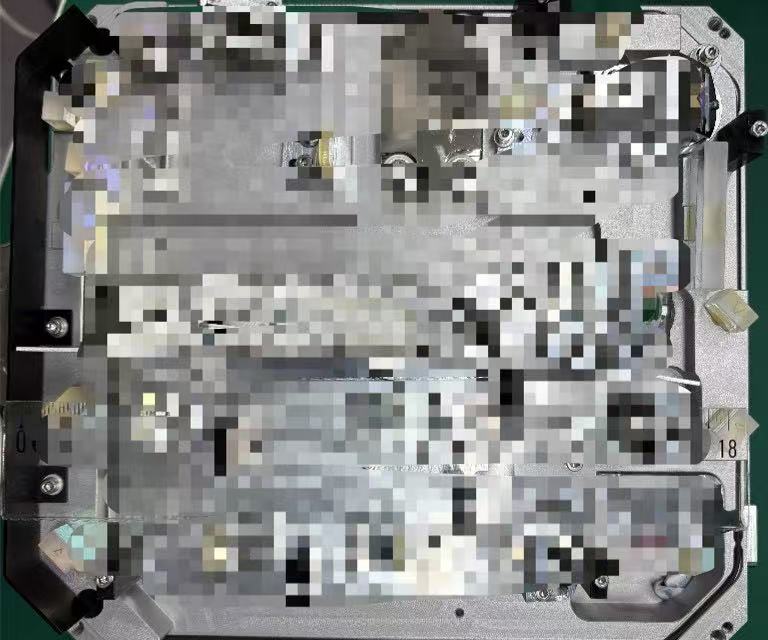
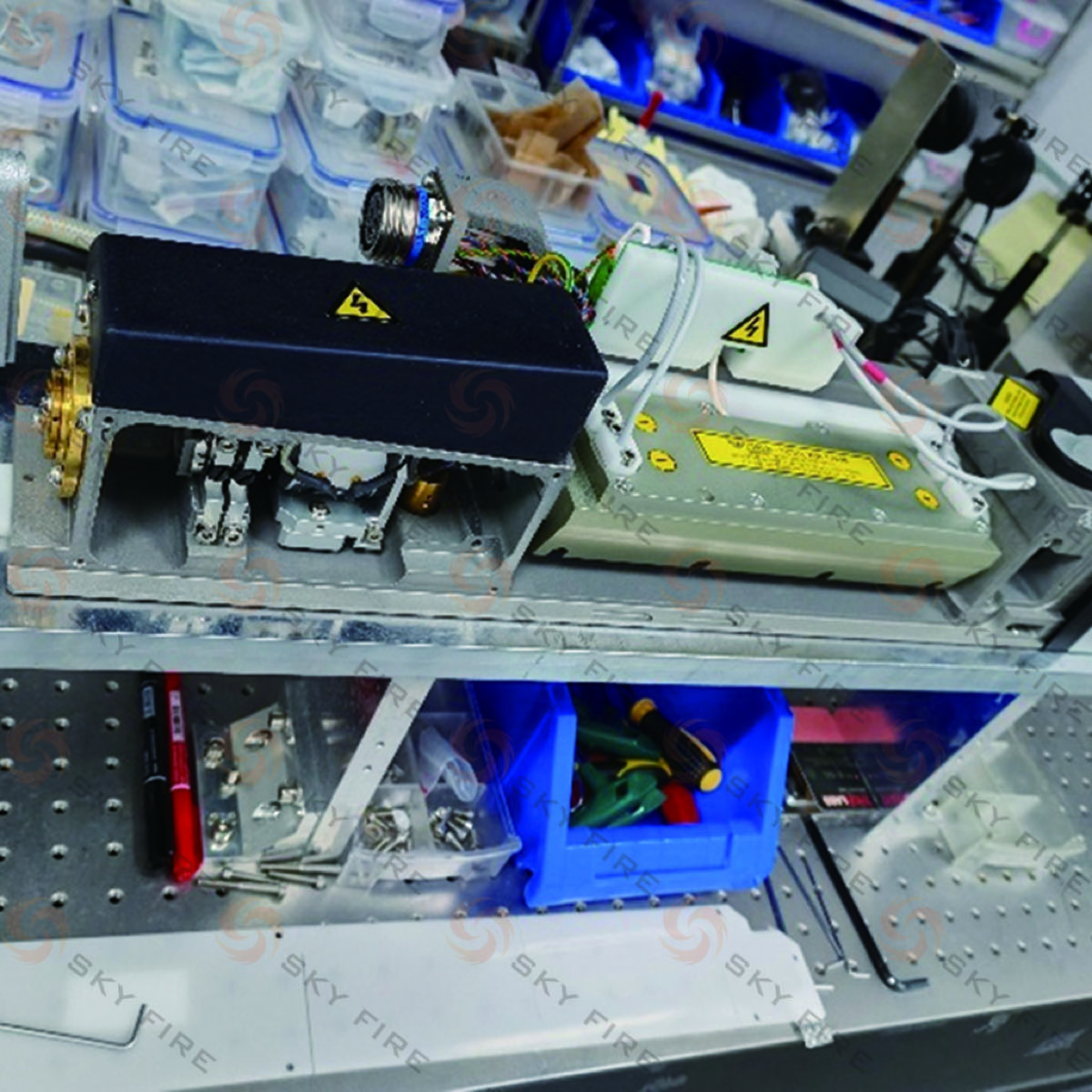
Photos of the installed unit often accelerate matching more than incomplete internal naming.
Repair-linked sourcing
Some cases need a source path decision before repair can be scoped.
Replacement choice and repair choice are often tied together on older platforms.
Subsystem refresh
Some requests are part of a broader module or platform update.
Compatibility, mechanical fit, and interface discipline matter when a pump path is being refreshed inside a larger assembly.
Verification before purchase
Technical confirmation reduces wrong-part risk.
Reviewing labels, interface details, and platform context helps keep the commercial path practical.
What To Send
The fastest pump-source inquiry starts with the installed platform and visible labels.
A part code helps, but it is not mandatory. A useful request often begins with the system model, photos of the source area, and a clear note about what failed or what must be replaced.
Platform context
System or OEM model
Share the machine or platform name first so the sourcing path can be narrowed correctly.
Visible details
Labels, connectors, and module photos
These details often matter more than an incomplete part name.
Commercial goal
Immediate replacement or stock planning
Say whether the request is urgent replacement, backup inventory, or part of a larger project.
Typical Buying Paths
Pump-source work typically falls into three practical buying paths.
The right route depends on whether the customer needs one installed part matched, a broader refresh planned, or a quote that supports continuity on an aging platform.
Direct replacement
For installed sources that can be matched from labels and platform context.
This is the fastest route when the current source area is visible and the part identity can be narrowed with confidence.
Refresh planning
For systems where the pump path needs to be updated as part of a larger review.
Useful when the component request sits inside a wider repair, rebuild, or module refresh decision.
Stock and continuity
For buyers building a more reliable spare path.
These requests focus on availability, quantity, and a commercial path that reduces future downtime exposure.
Best next move
Start with the installed platform and visible module details.
That usually gives a stronger sourcing start than an incomplete remembered part number alone.
What Usually Moves Forward
Pump-source requests usually end in one of three practical sourcing outcomes.
The goal is to move from a loose replacement request into a usable commercial path.
Direct match
Installed source path narrowed
When labels and platform context are clear, the request can move quickly toward a direct part path.
Refresh route
Broader replacement path identified
Some reviews show that a wider pump refresh is more realistic than a single-part swap.
Quote readiness
Commercial follow-up becomes concrete
The first review usually ends with the exact details needed to issue a useful offer.
Next Action
Send the platform name, visible labels, and photos of the installed source area.
That is usually enough to begin a compatibility-led sourcing review.