Q-switch and modulation parts for source-control issues that need a practical replacement path.
These requests usually arise when switching behavior, pulse control, or related source-control performance is no longer stable and the buyer needs a realistic component or replacement route.
Q-switch-related sourcing usually starts from a behavior problem in the live system.
The goal is to connect the visible source behavior with a realistic replacement path, not to guess from partial naming alone.
Behavior-led matching
Pulse or switching issues often lead the conversation.
The sourcing task starts with what the source is doing, not only with the old part label.
Repair-linked review
Component sourcing is often tied to a broader service decision.
The practical question can be whether the issue is isolated to one component or part of a larger source path problem.
Validation before offer
Control-side parts benefit from a clearer compatibility check.
Reviewing the platform and behavior helps reduce wrong-part risk.
Source-path adaptation
Some cases depend on a broader replacement or rebuild route.
When the original path is no longer practical, sourcing can overlap with a more structured support decision.
What To Send
The best first RFQ includes platform details and a short description of the source behavior.
Tell us what system the part belongs to, what the source is doing, and what visible labels or photos are available.
Platform context
System or OEM model
Share the platform first so the likely component family can be narrowed correctly.
Behavior note
How the source is currently performing
Pulse behavior, instability, missing output, or switching issues can all change the sourcing path.
Visible evidence
Photos and labels
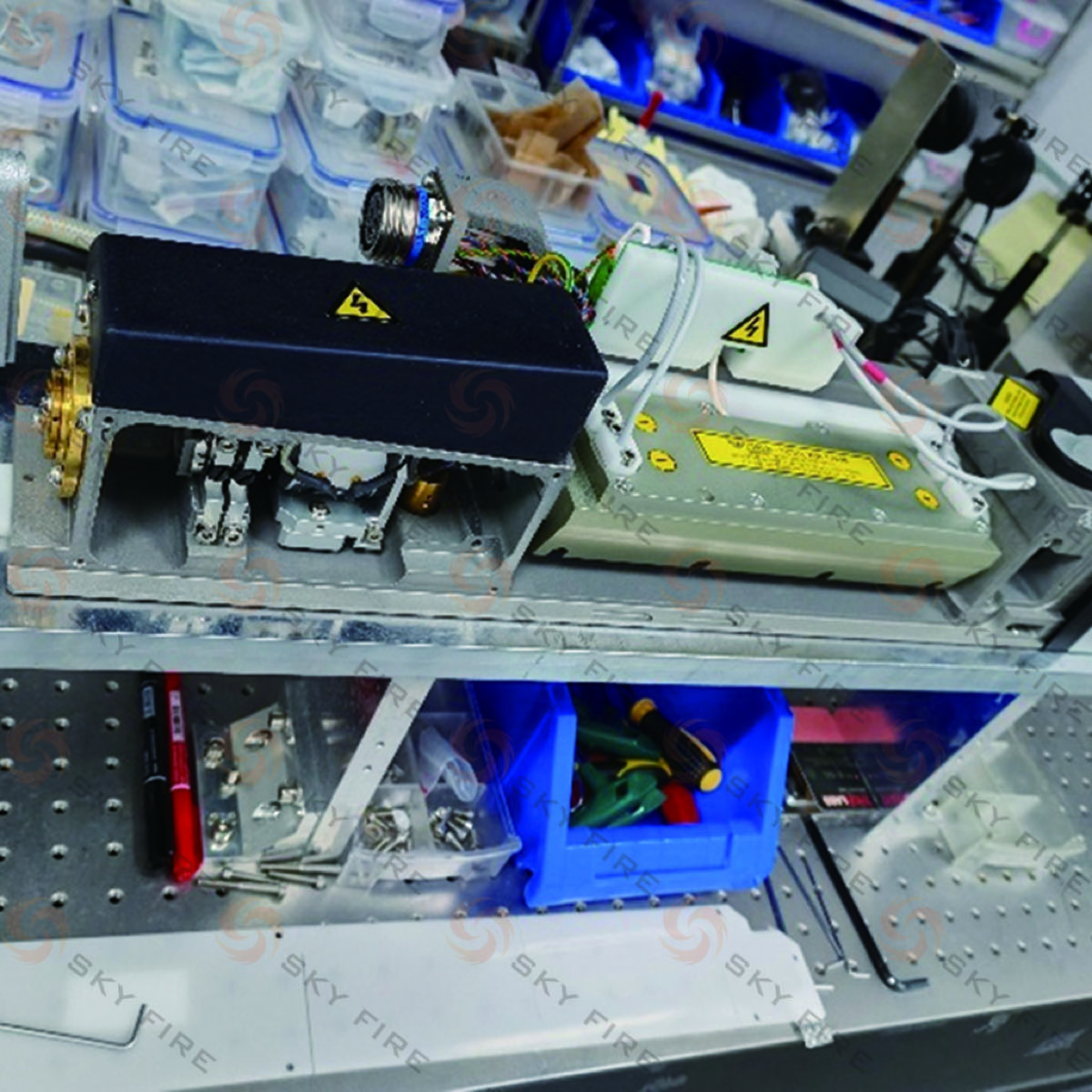
Installed-component photos often help confirm the right route faster than old notes alone.
Typical Buying Paths
Q-switch and modulation requests are usually led by source behavior.
The most useful question is not only what part was installed before, but what the source is doing now and what result the replacement path has to restore.
Behavior-led review
For pulse, switching, or timing issues seen in the live system.
These requests often move best when the current operating behavior is described clearly alongside the platform identity.
Repair-linked path
For systems where the control issue may sit inside a wider service decision.
Sometimes the right action is component-led; sometimes the wider source path needs to be reviewed together.
Compatibility-led quote
For buyers who need a replacement route they can act on quickly.
A better quote usually follows from visible labels, system context, and a short note on the control-side problem.
Best next move
Start from platform, behavior, and visible markings.
That combination usually narrows the sourcing path faster than a legacy part name on its own.
What Usually Moves Forward
Q-switch and modulation reviews usually lead to one of three practical outcomes.
The useful result is a replacement path tied to behavior, compatibility, and actual platform use.
Behavior review
Control-side issue gets narrowed
The first review often separates a likely component problem from a larger source-path problem.
Compatibility route
Replacement options become clearer
Many cases move once the platform, switching behavior, and visible markings are aligned.
Quote readiness
Commercial follow-up gets grounded
The review usually ends with a smaller set of details needed for a practical offer.
Next Action
Send the system name, the observed source behavior, and any visible part information.
That is usually enough to begin a compatibility-led component review.