Custom solid-state laser projects for applications that do not fit a standard source path.
Some projects begin with an installed platform, a wavelength requirement, or a packaging constraint that makes standard sourcing impractical. This page is for those semi-custom and application-shaped solid-state builds.
Custom solid-state work usually starts where a standard path stops being practical.
The real problem is often not whether a source exists, but whether it fits the system, the interfaces, and the commercial reality of the project.
Legacy replacement-led projects
Older systems often need a new build path, not a direct re-order.
When the original support route is weak, a semi-custom build may be the clearest way forward.
Subsystem adaptation
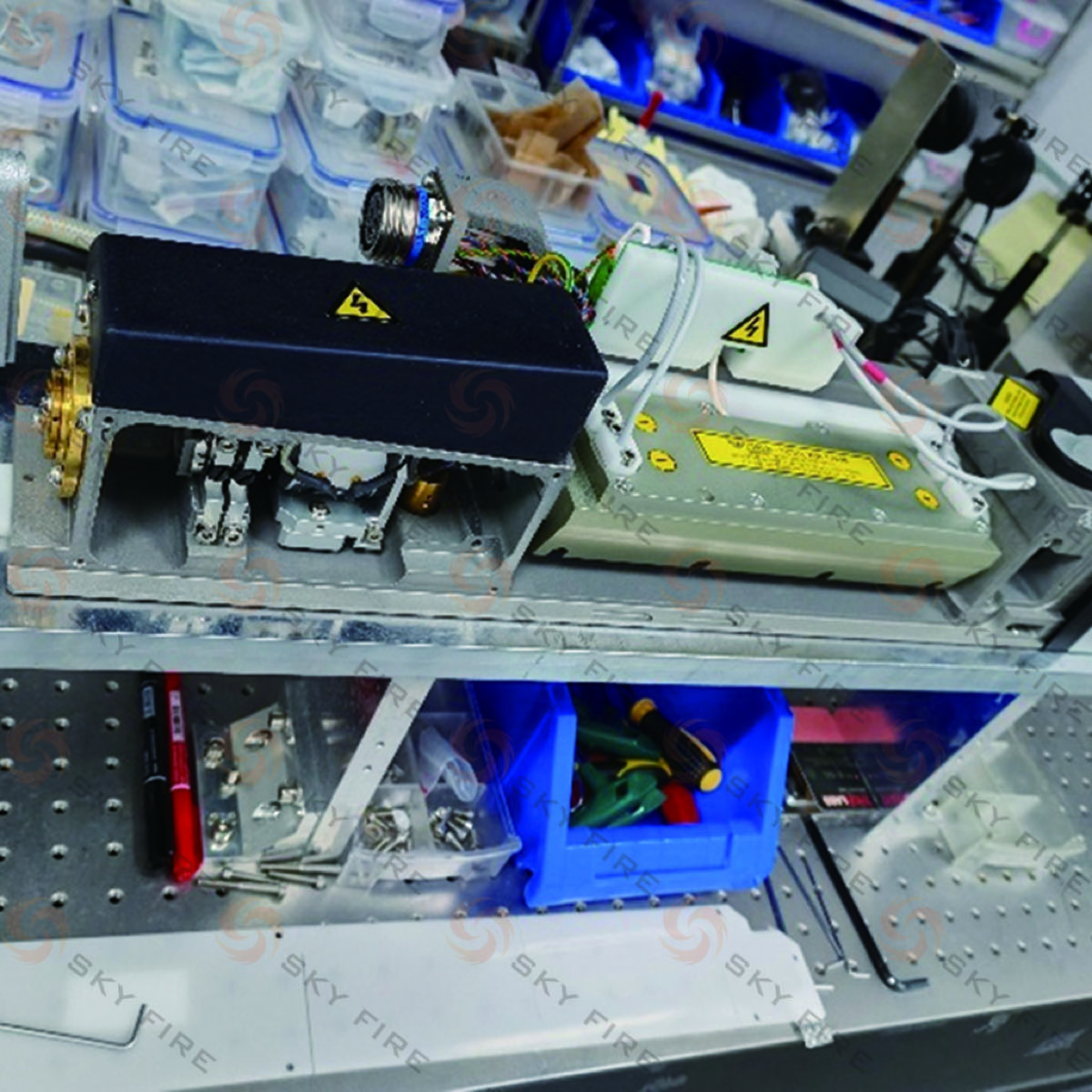
Packaging and optics usually shape the practical solution.
The build route may depend on mechanical fit, optical path, cooling, and control expectations.
Source-path review
Application-driven builds need a realistic technical boundary from the start.
A clear review helps decide whether the right answer is modification, a semi-custom build, or a different architecture.
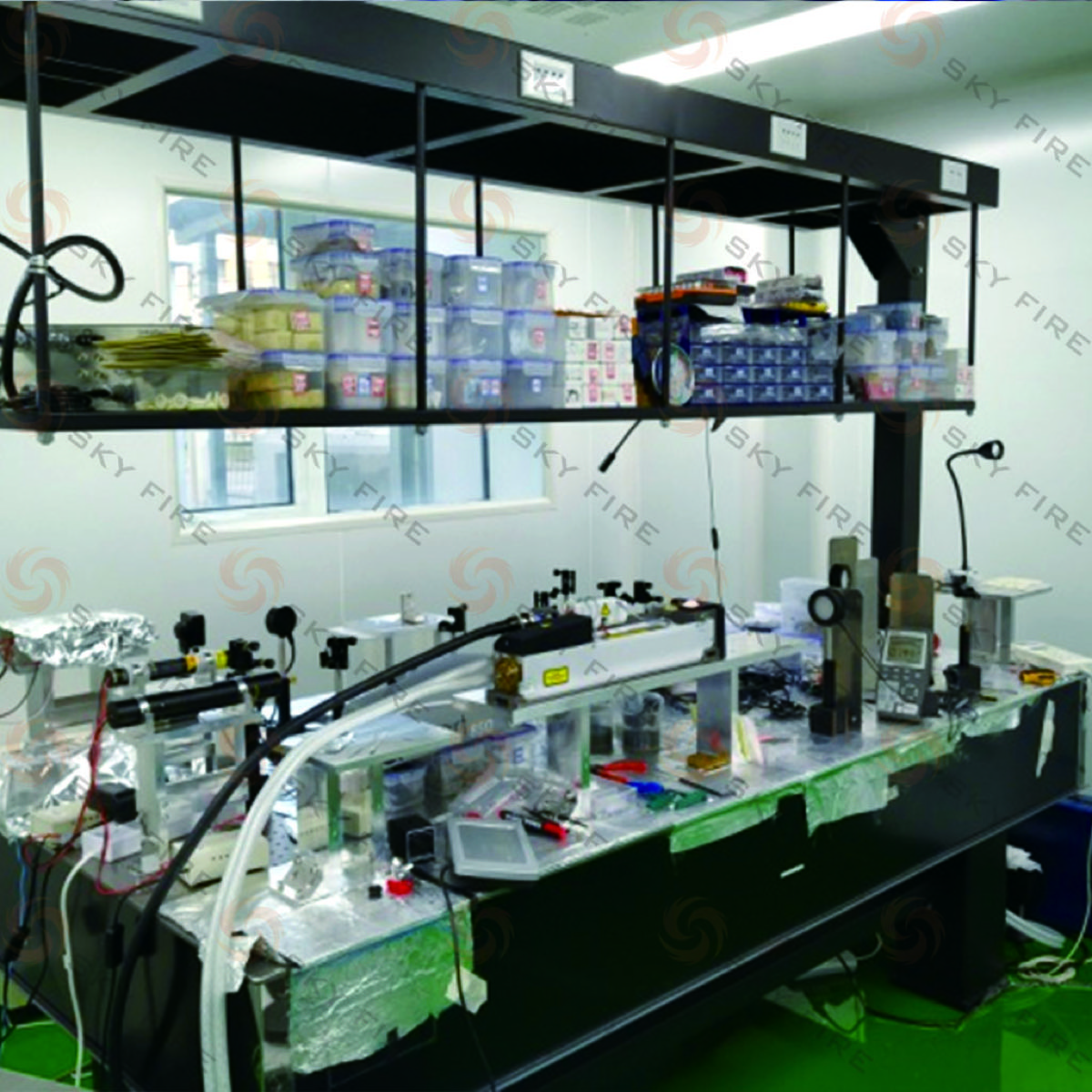
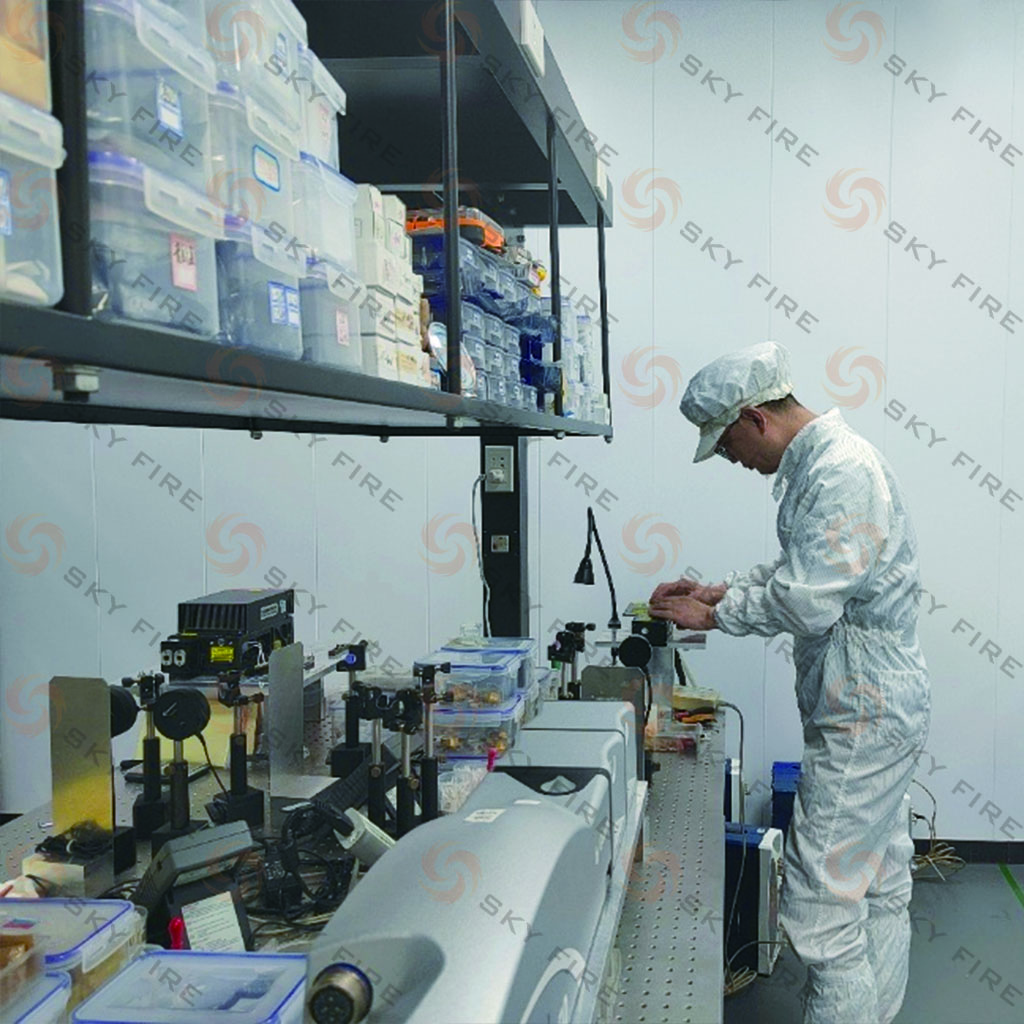
Validation before delivery
Stability and fit matter as much as nominal output.
Application-specific builds require a disciplined review of what success should look like before handoff.
What To Share
Custom solid-state discussions move faster when the actual constraint is clear.
It helps to say what the source must do, what system it must fit into, and what part of the current path is no longer working for the project.
Application target
What the laser has to achieve
Describe the function, measurement need, or process target first.
Installed context
What system or package it must fit
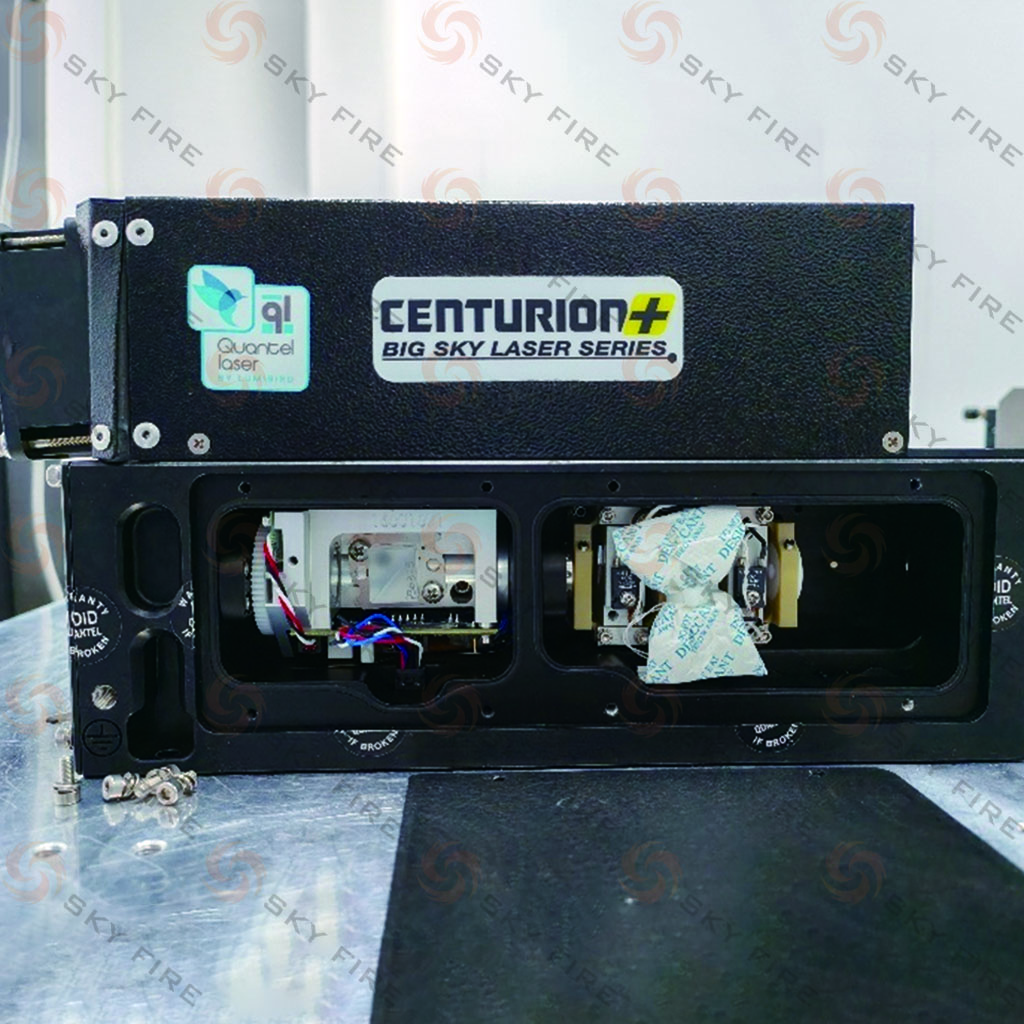
Photos, existing labels, and package limits help define a realistic build path.
Practical constraint
What blocks a standard solution
Explain whether the issue is compatibility, legacy continuity, mechanical fit, timing, or supply access.
Where This Fits
Custom solid-state projects are usually driven by application fit and source-path constraints.
These programs make sense when a standard module does not fully match the wavelength target, stability need, packaging limit, or integration requirement of the final system.
Application-led build
For projects with a clear optical or process target.
Useful when the end requirement is known but the right source architecture still needs to be defined.
Installed-path replacement
For systems that need a more practical solid-state route.
Some projects begin when an existing source becomes difficult to support and a better-matched custom path is needed.
Semi-custom adaptation
For work shaped by an enclosure, mount, or subsystem limit.
These builds often depend on mechanical fit, optical path discipline, and how the source has to live inside the rest of the platform.
Best next move
Show the current limitation and the target outcome.
A clear first review usually starts with what the current path cannot do and what the replacement path must achieve.
What Usually Moves Forward
Custom solid-state projects usually move into one of three structured next steps.
The value of the first review is to replace a vague custom request with a build path that can actually be evaluated.
Constraint review
Current limitation made explicit
The first useful result is often a clearer statement of what the installed path cannot do.
Semi-custom build
Feasible source path identified
Many projects move into a semi-custom route once the optical and packaging limits are visible.
Project handoff
Inputs for technical quotation agreed
The review usually ends with the drawings, photos, or requirement list needed for next-step pricing.
Next Action
Start with the actual limitation in the current source path.
A useful first inquiry explains what the project needs, what the current platform cannot do, and what packaging or timing limits matter most.