Precision Repair · Custom Photonics · Components Supply
SkyFire serves industrial users, research teams, and equipment builders with solid-state laser repair, semiconductor laser customization, optical component sourcing, and commercial coordination across trusted manufacturing partners.
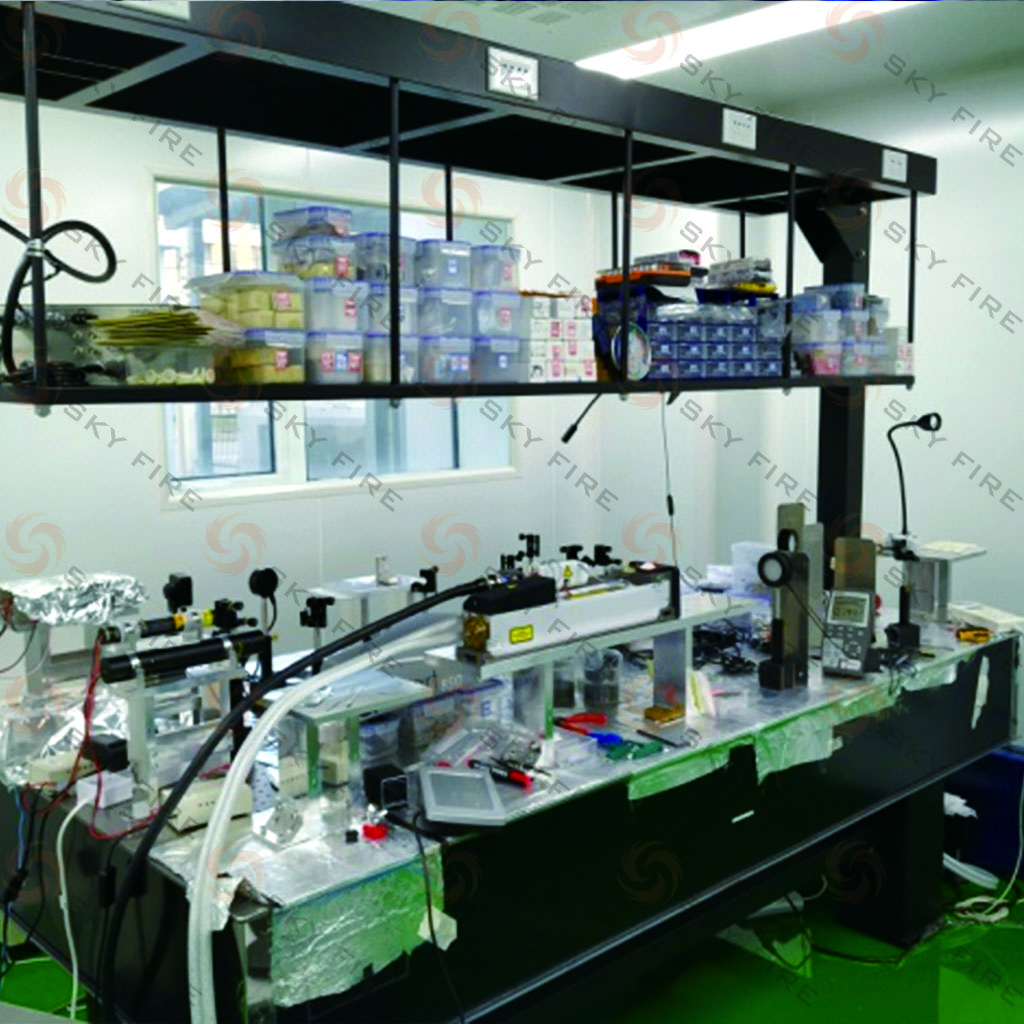
Operational Focus
Repair Platform
We focus on fault isolation, repair feasibility, and restoring operational stability with less downtime risk.
Customization
For non-standard requirements, we coordinate supplier-side technical input into a market-ready solution path.
Components
We support sourcing and packaged component offers for teams that need faster commercial access.
Positioning
SkyFire is designed to translate deep engineering capability into a cleaner, more credible global-facing website.
Engagement Patterns
These are representative project patterns, not generic public testimonials. They reflect the kinds of situations where repair-first support, sourcing flexibility, or supplier-backed technical review matter most.
A production or lab system is still running, but output has drifted, power has become unstable, or beam behavior is no longer reliable enough to trust. The buyer needs a fast judgment on whether repair is realistic before downtime becomes expensive.
The platform is older, discontinued, or no longer easy to support through the original channel. The problem is no longer just repair. It becomes a mix of compatibility judgment, parts access, and commercial flexibility.
Sometimes the customer does not need a full repair service engagement. They need the right component, a replacement module, or a commercially packaged offer that can be confirmed and moved quickly.
The requirement starts with an application target, wavelength window, or packaging limit rather than a finished drawing. The commercial front end has to translate that request into a real technical review path.
The buyer knows the use case but is not yet sure what technical path is commercially sensible. In these cases the first job is not quoting instantly. It is clarifying fit, risk, and the right route to action.
Some opportunities need a cleaner buyer-facing layer because the real technical capability sits behind suppliers or engineering partners who do not want to be the public sales voice. That is exactly where this platform model makes sense.
Capabilities
We combine field repair execution with practical manufacturing and component coordination, so customers can solve failures and source next-step hardware through one commercial front end.
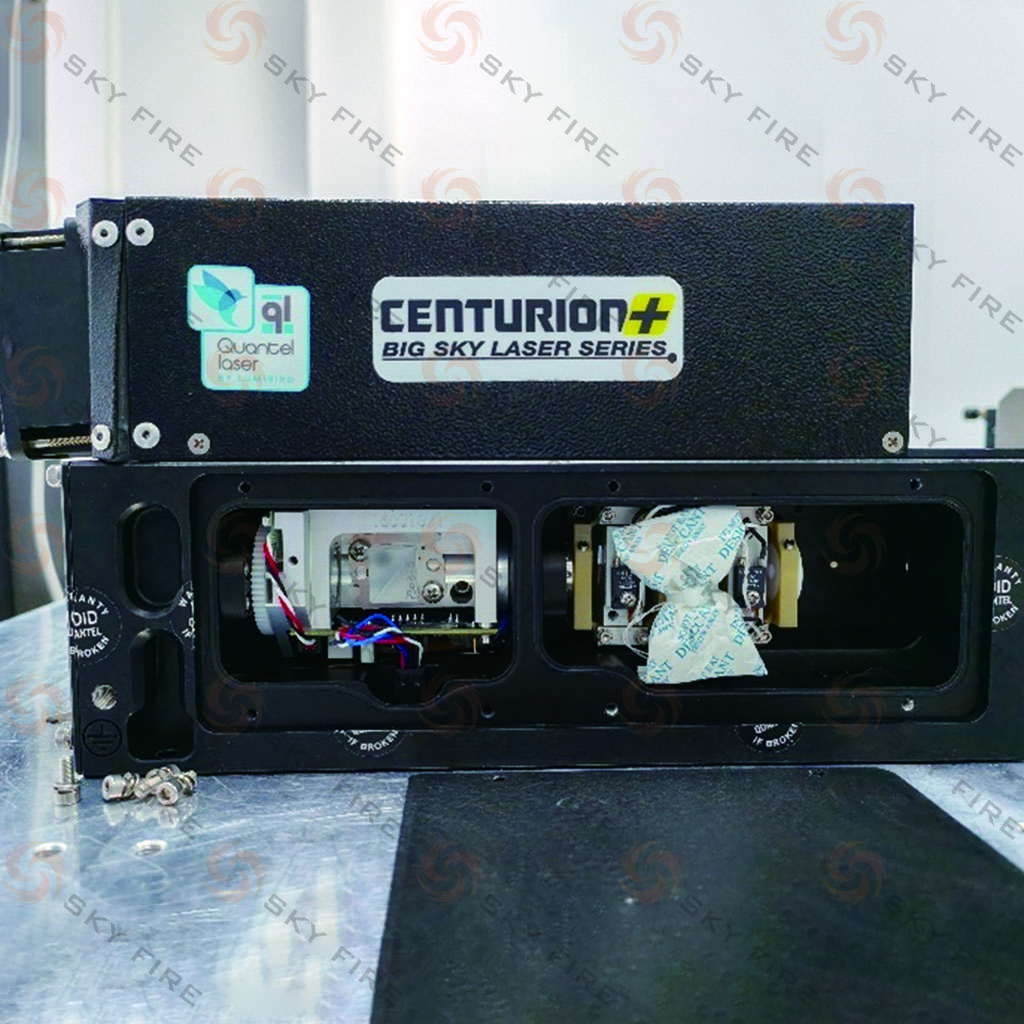
Repair-first support for critical laser failures, degraded output, cavity instability, optical damage, electronics issues, and production-side downtime pressure.
Inquire About Repairs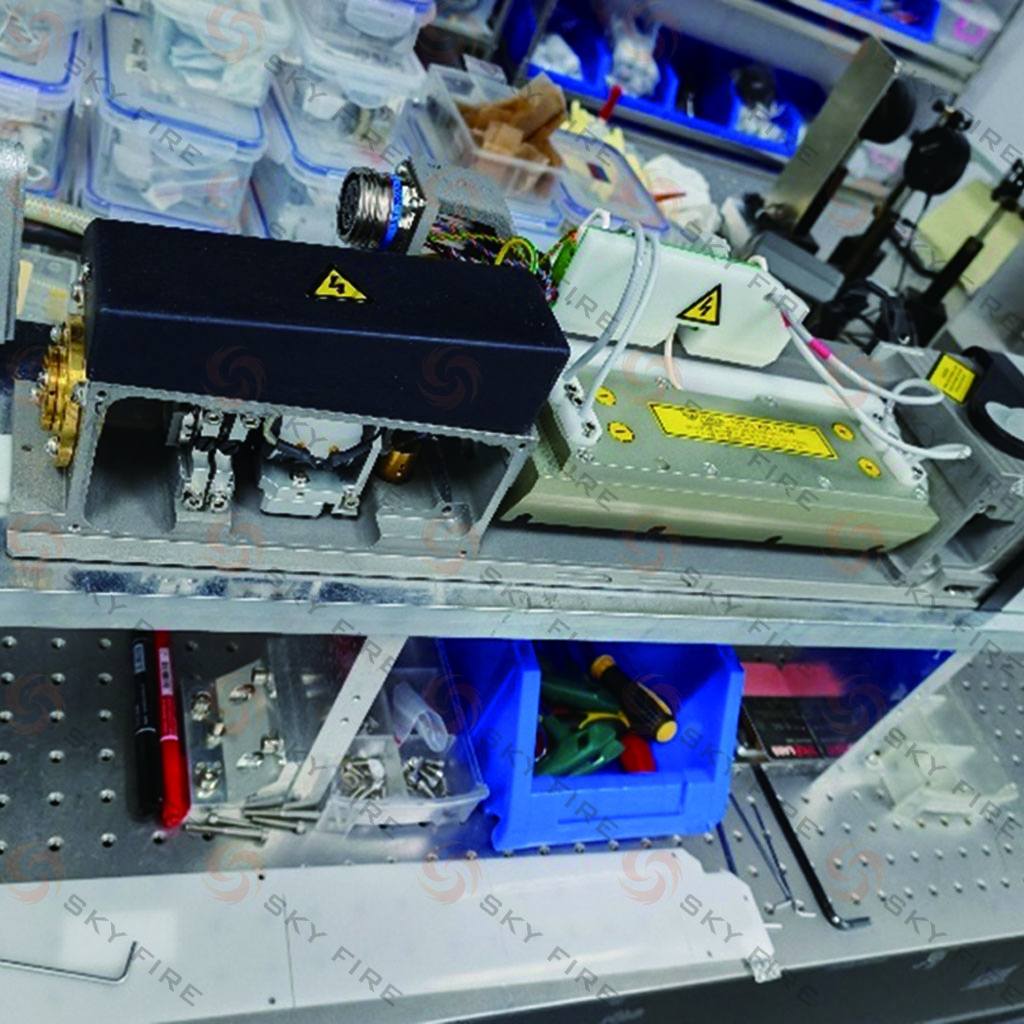
Custom semiconductor and solid-state development for non-standard requirements, application-specific builds, and supplier-backed technical coordination.
Explore Manufacturing Capabilities
Commercial access to optical subassemblies, replacement parts, and supplier-connected component offers for teams that need faster sourcing paths.
Ask About ComponentsRepair Workflow
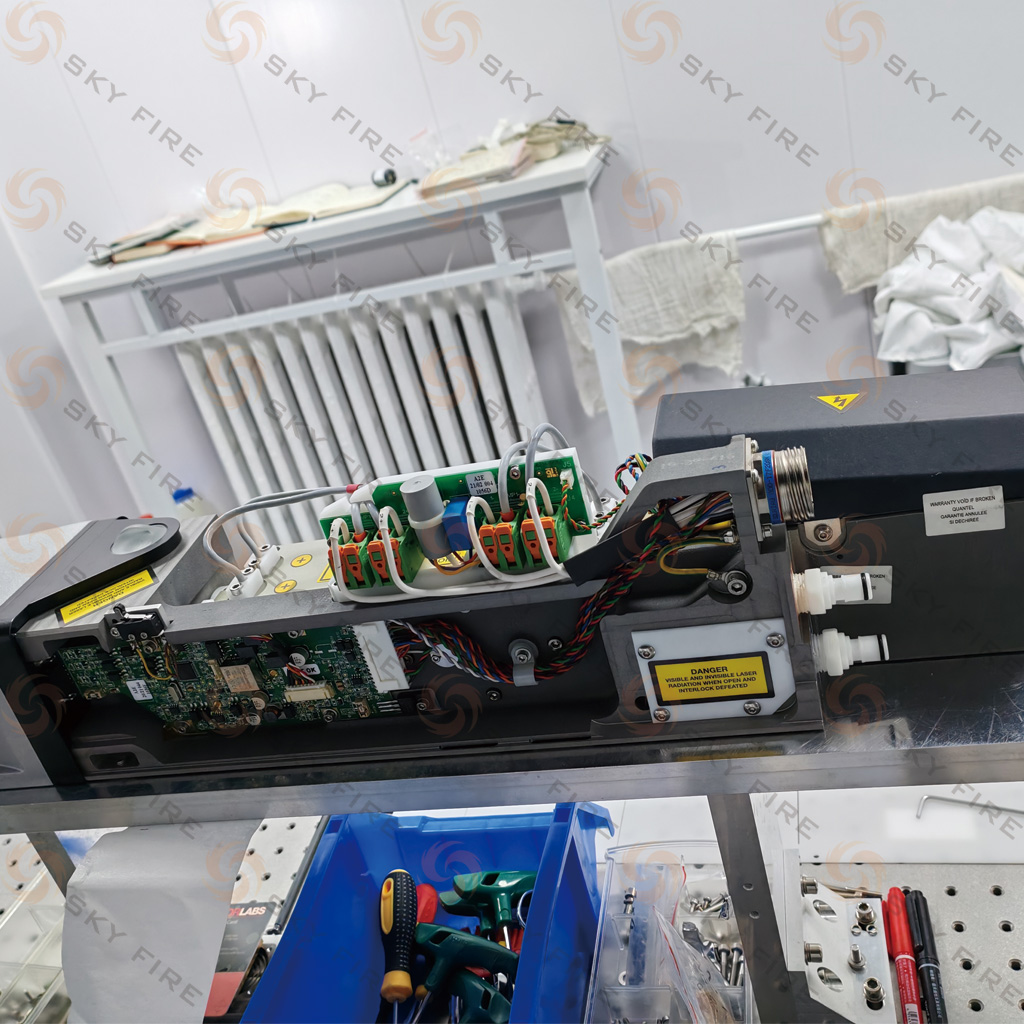
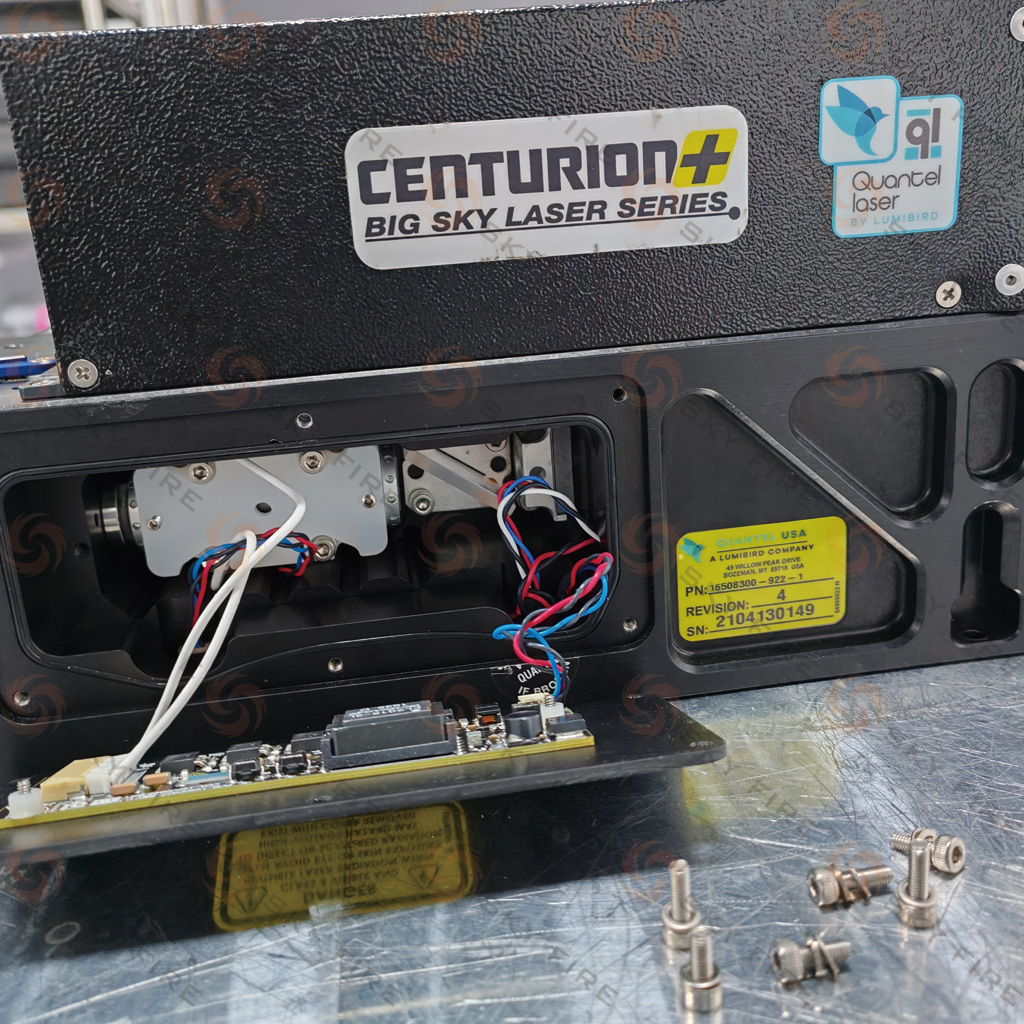
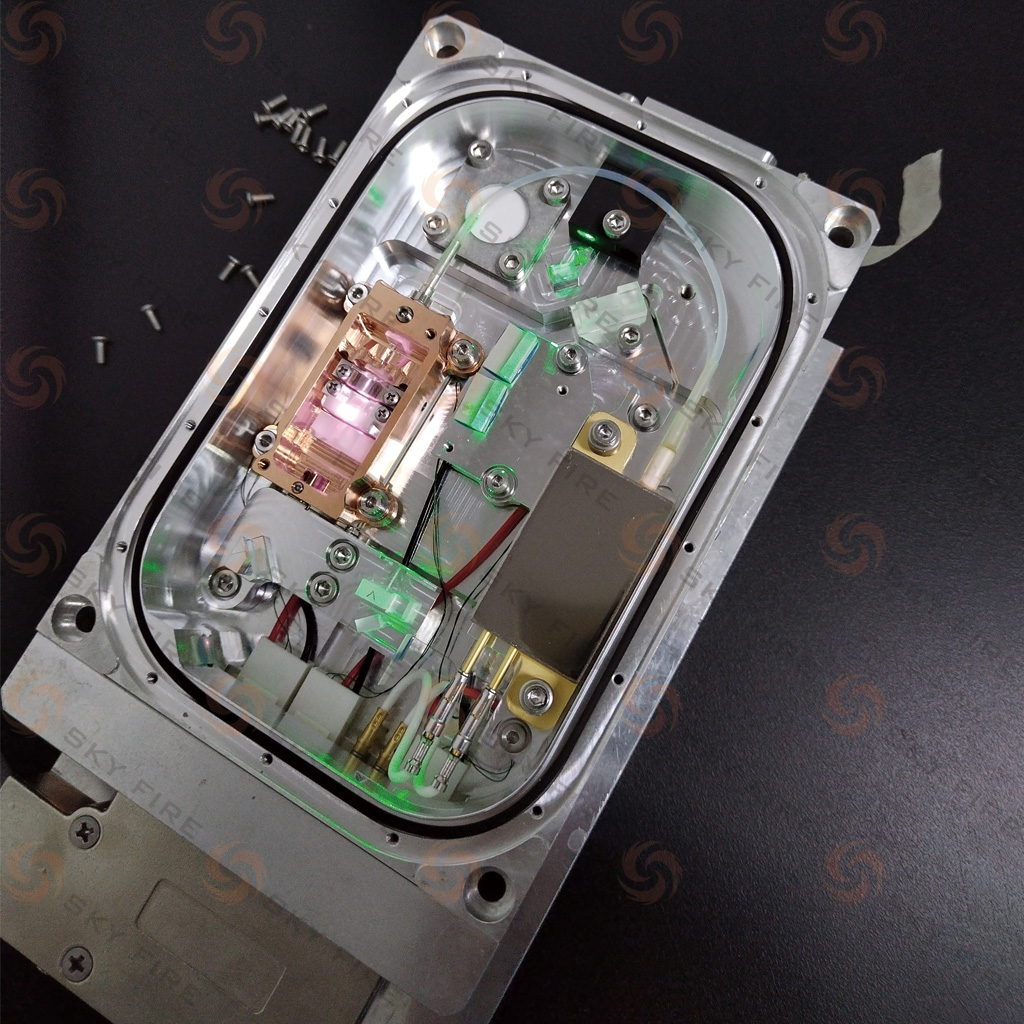
Show the work, not generic claims. These examples help buyers understand that support is practical, hands-on, and technically grounded.
Decision Factors
The strongest commercial difference is usually not a slogan. It is whether the partner can diagnose correctly, route the request intelligently, and keep options open across repair, sourcing, and custom work.
Diagnostic Depth
Complex solid-state platforms usually fail in ways that are not obvious from a short symptom description. The commercial value comes from getting the first judgment right.
Limited triage, narrow model familiarity, and longer turnaround when the issue is not immediately visible.
Repair-side familiarity, supplier-backed escalation, and practical diagnosis before the request gets pushed into the wrong commercial path.
Commercial Routing
Some customers need repair, some need parts, and some need a different build direction entirely. Treating every request as the same service slows everyone down.
Everything gets framed as a generic repair job, even when sourcing or redesign would be a better business decision.
Requests are routed toward repair, sourcing, replacement, or custom development based on the actual technical and commercial context.
Platform Familiarity
Buyers usually care less about marketing breadth and more about whether the partner already understands the kind of platform sitting on the bench or in the line.
Brand names are mentioned broadly, but the team may not have real working familiarity with the product family in question.
The site is organized around actual platform familiarity, application context, and system families we can discuss with confidence.
Extension Path
Once a case is understood, customers often need replacement parts, follow-on sourcing, or a custom optical path. That extension should not require starting over.
The job ends at the repair bench, leaving the buyer to solve sourcing and customization elsewhere.
The same conversation can continue into spares, subsystem sourcing, or supplier-backed custom photonics work when the case requires it.
Supported Systems
Examples of models and product families where our team has practical repair, maintenance, and support exposure.
Practical Familiarity
This is a qualification layer for buyers who want to know whether the team already understands the platform category before the first technical conversation.
Application Context
That makes the section more useful for industrial buyers, labs, and equipment teams who care about the operational role of the laser, not just its label.
Commercial Fit
If the exact unit is not listed, the closest family reference still helps decide whether the request belongs in repair, spare parts, or a deeper supplier-backed discussion.
The point is to show where there is practical repair-side familiarity across solid-state platforms used in manufacturing, measurement, research, and specialized optical workflows.

A field-relevant platform for atmospheric and lidar-oriented use cases where service continuity and output stability are operationally important.
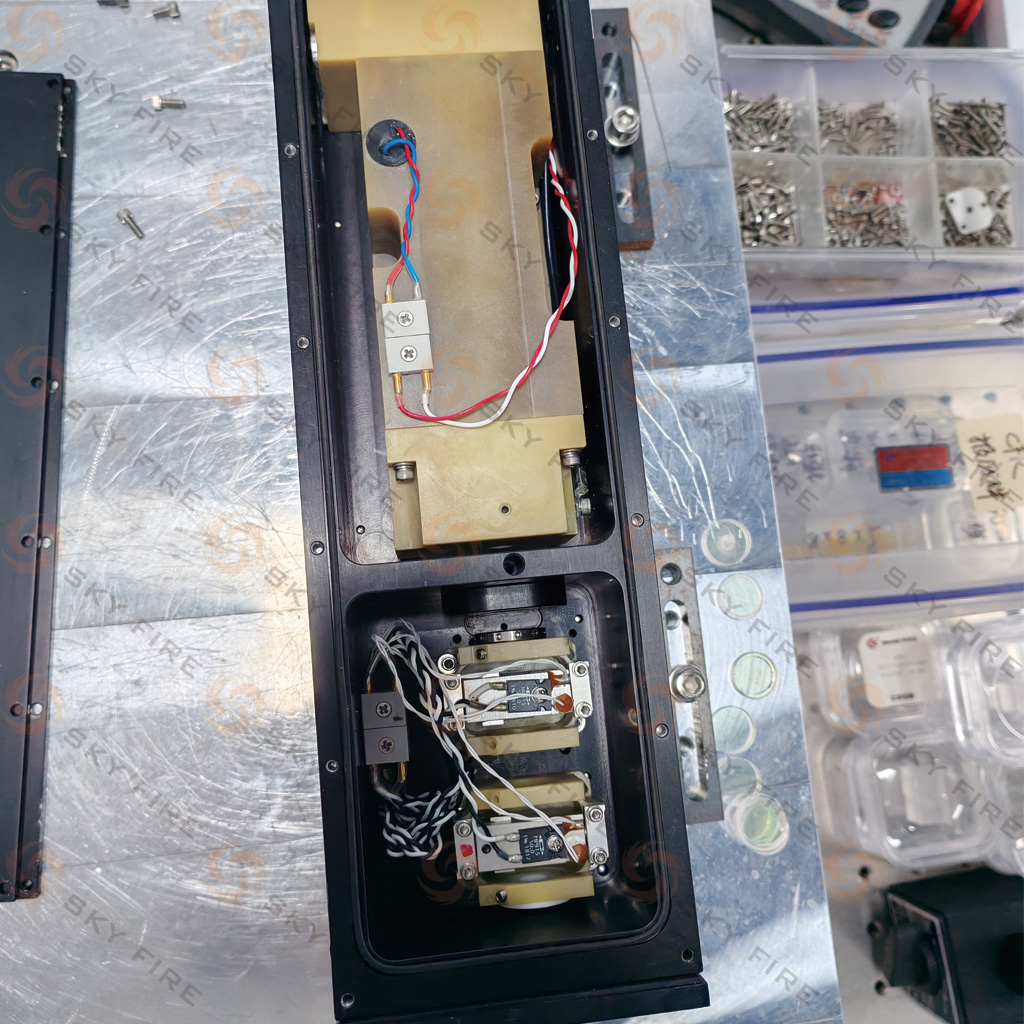
Representative of research-facing solid-state systems where diagnostics, repair feasibility, and performance restoration need careful technical handling.
Q-smart850
A typical example of systems used in atmospheric observation workflows where downtime can directly impact measurement schedules and field operations.
Relevant to instrument environments that require stable output, predictable support response, and familiarity with compact solid-state system design.
A strong reference for display manufacturing and repair scenarios where beam quality, process stability, and turnaround speed matter to line recovery.
Model Not Listed?
Absence from the list does not automatically mean unsupported. Many inbound cases start from adjacent product families, discontinued platforms, or regional variants that still map to known service logic.
Applications
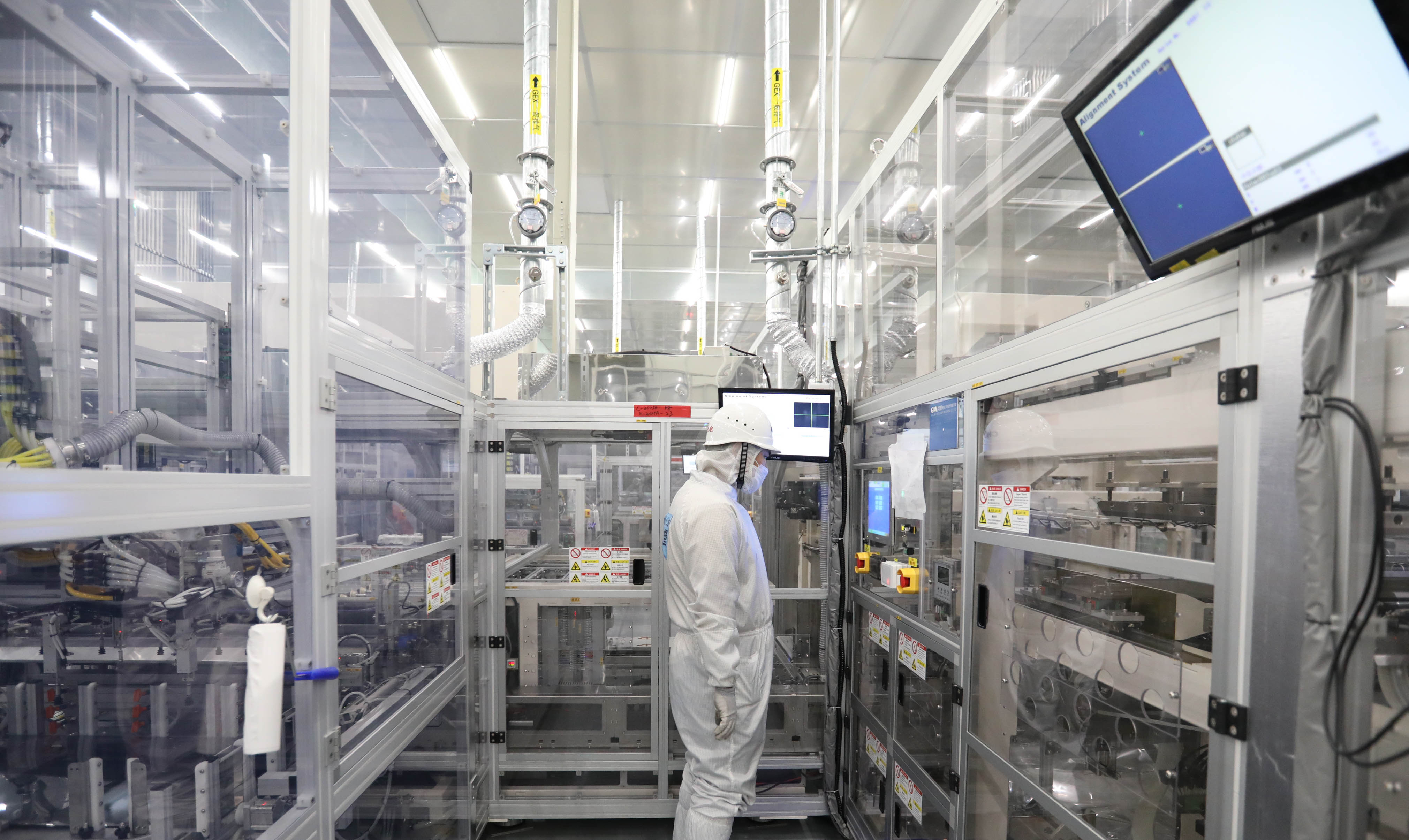
From semiconductor inspection and packaging to specialized laboratory use, we position the site around real technical buying contexts instead of generic marketing claims.
We support laser use cases across panel manufacturing, repair, module cutting, and related optical subsystems where uptime, repeatability, and process stability directly affect yield.
Typical Need
When production systems drift, fail, or lose output stability, teams need practical fault isolation rather than generic service language.
What We Support
We map support around actual process steps so buyers can quickly understand where repair, replacement, or sourcing help fits.
Commercial Value
The goal is to reduce process interruption and create a cleaner path from technical issue to quotation and action.
Typical metrology and alignment light sources used in optical positioning, measurement, and exposure-related process support.
Representative repair-stage systems where beam quality, stability, and service response directly affect panel correction workflows.
Examples of sources relevant to high-precision cutting, trimming, and process integration for downstream panel manufacturing steps.
Excimer-related process references for high-energy applications where system continuity and service quality are critical.
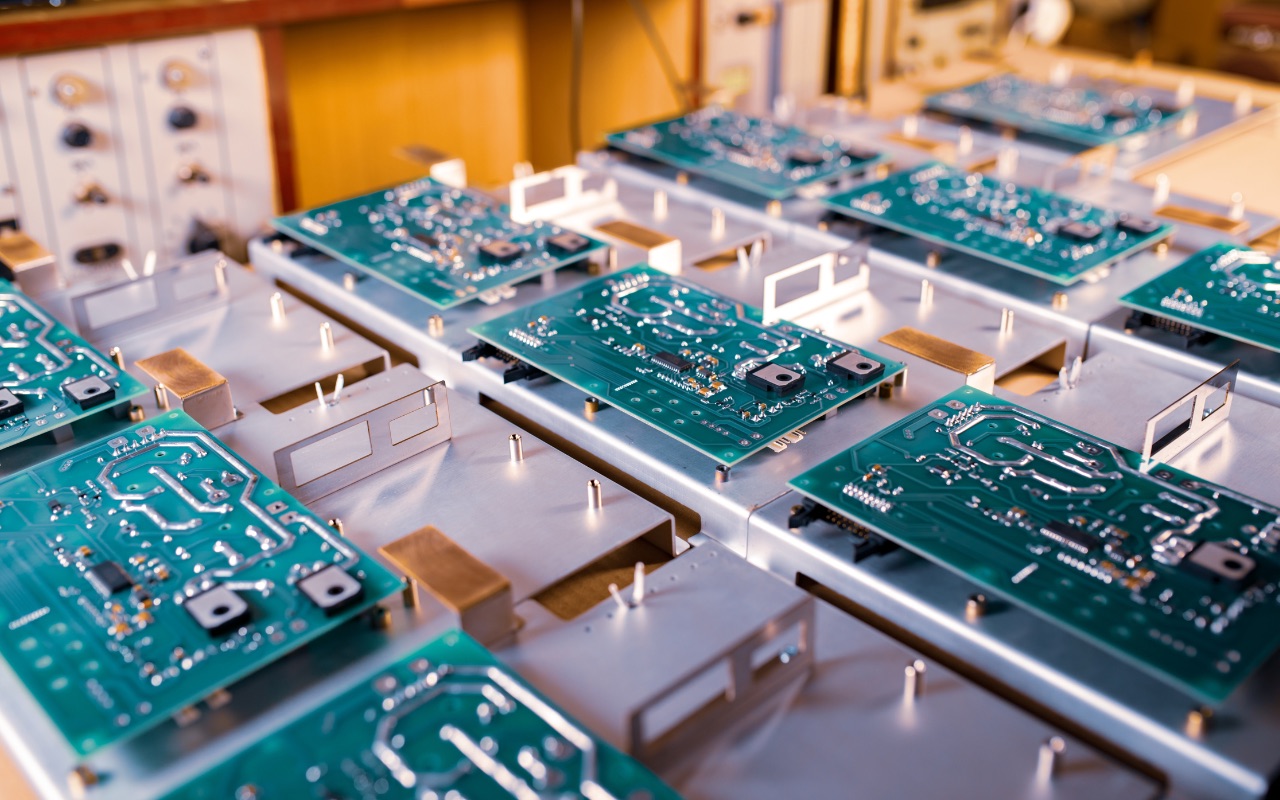
This segment is less about generic laser marketing and more about supporting the light-source, repair, and custom-build needs around semiconductor inspection, packaging, and precision measurement tools.
Typical Buyer
Teams developing or maintaining semiconductor tools often need stable light-source support without exposing sensitive internal technical know-how publicly.
Support Mode
We can help bridge repair needs, custom source requests, and component sourcing paths depending on the maturity of the project.
Priority
In these workflows, drift, repeatability, and measurement confidence are more important than generic power claims.
Representative sources used in precision cutting and packaging workflows where consistency and downstream process quality matter.
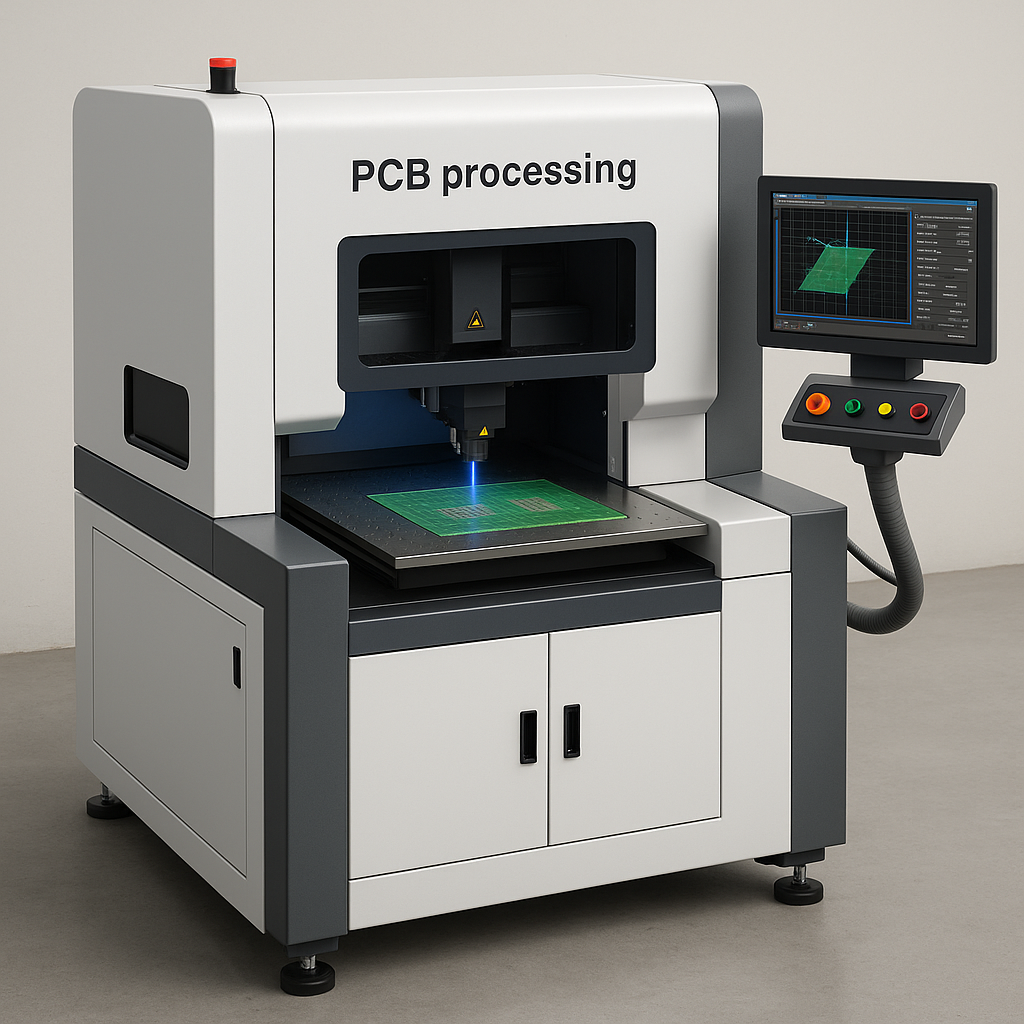
PCB work demands practical process alignment between beam quality, repetition stability, and yield-sensitive drilling or trimming workflows.
Application Fit
We position support around process-critical PCB use cases where output consistency and maintenance timing affect line performance.
Support Path
Depending on the issue, the response path may involve repair, replacement modules, or supplier-side commercial coordination.
Operational Goal
The business objective is straightforward: recover process continuity faster and avoid repeat interruptions from unstable laser behavior.
Typical solid-state references for drilling and precision micro-processing environments.
About SkyFire
SkyFire is structured to make complex laser work easier to buy, scope, and communicate, while keeping sensitive manufacturing details and supplier-specific know-how off the public site. The public site handles the market-facing layer; deeper feasibility and engineering judgment stay with partner-side technical support.
How We Operate
On one side, customers need a professional contact point for repair, custom photonics, and component sourcing. On the other side, supplier and engineering partners need room to protect methods, manufacturing details, and commercially sensitive information. This structure serves both requirements.
Buyer Experience
Customers can describe failures, target specifications, or sourcing needs in one place instead of chasing fragmented technical contacts.
Supplier Protection
We publish enough to establish trust and technical relevance, but we do not expose process-sensitive repair logic, supplier-only know-how, or internal manufacturing details.
Operational Fit
This model is designed for real work: urgent repairs, semi-custom modules, component sales, and opportunities that require partner-side technical input before quotation.
Commercial Window
The site, RFQ flow, resources, and first-round communication are built to reduce friction for overseas buyers, labs, OEM teams, and industrial customers.
Technical Backbone
When projects need deeper diagnostics, custom design evaluation, or component-level feasibility checks, supplier and engineering partners support the technical decision layer.
Content Boundary
Resources are written to help customers understand applications, maintenance logic, and sourcing considerations, without turning the website into a documentation dump of sensitive technical know-how.
What This Means
Instead of guessing who to contact, buyers can move from problem statement to the right response path: repair, sourcing, semi-custom development, or deeper technical review.
Start Here
Tell us whether the requirement is repair, component replacement, subsystem sourcing, or a custom photonics request.
Internal Routing
Depending on complexity, the next step may be direct quotation, deeper technical clarification, or partner-side evaluation.
Decision Stage
The output is practical: a repair path, sourcing recommendation, custom-build direction, or a scoped next-step discussion.
Ecosystem
These references help buyers quickly understand the types of systems, suppliers, and technical environments we are comfortable supporting.












Questions
This section should qualify inbound demand, reduce repetitive email loops, and help serious buyers prepare a cleaner first inquiry.
We focus on solid-state laser repair, supplier-backed component sourcing, semiconductor-laser-related custom work, and commercially coordinated photonics projects. That includes both legacy systems and more recent industrial or research platforms where practical support is still possible.
Include the brand, model, current system state, failure symptoms or requested specification, application context, and expected timeline. A vague “please quote” message slows everything down; a structured RFQ moves much faster.
Both. Some cases are repair-first, some are parts-first, and some are better handled as a replacement or custom-build path. The website is designed to support all three commercial routes rather than forcing everything into one service model.
Timelines depend on failure depth, component availability, logistics, and whether the case requires supplier-side evaluation. We do not publish fake fixed lead times. Once the system and requirement are clear, we scope the likely path and respond with a realistic commercial timeline.
Yes, that is one of the practical reasons buyers come to us. Older systems often require a mix of repair judgment, compatible part sourcing, and commercial flexibility. Support depends on the platform and the remaining supply path, but this is a core use case for SkyFire.
Not as a default public offer. Many international cases are handled through remote qualification, shipped hardware, supplied components, or scoped technical coordination. If on-site work is even possible, it has to be evaluated case by case.
Yes. Many projects start with application goals, target wavelength or power, packaging limits, and budget constraints rather than a final drawing. Early discussions are used to qualify whether the project should move toward sourcing, adaptation, or a true custom-build path.
Public website content stays at the application, commercial, and qualification level. Sensitive process detail, repair know-how, and protected technical information are not published openly. Those discussions only happen after the case is qualified and the right commercial context exists.
Products
Use this area for modules, optical parts, and commercially packaged offers that can move quickly from technical interest to quotation or checkout.
This path is for standard listings where compatibility is already clear and the commercial goal is simply faster ordering.
This is the safer path for replacement parts, subsystem compatibility checks, or anything that should be reviewed before money changes hands.
For semi-custom modules, custom lasers, or supplier-backed integration work, the product card acts as an entry point into a scoped commercial conversation.
Loading products...
Featured Resources
The homepage stays selective. The full resource library lives on a dedicated page so the site can keep accumulating maintenance logic, application context, and buying guidance without turning the homepage into a long archive.
Loading featured resources...
Request for Quotation
Send the model, fault symptoms, application context, and delivery timeline. We use that to route you toward the right repair-side, sourcing-side, or supplier-backed response.
Good inquiries reduce back-and-forth. The more specific the request, the easier it is to route your case into repair, sourcing, or custom development.
Direct Line
+86-13995672493Use this path for urgent production issues and time-sensitive recovery needs.
Small reference files can now be attached directly in the RFQ. Use email for larger logs, multiple files, or follow-up materials.
Structured Inquiry
This form is designed for repair requests, component sourcing, and custom photonics inquiries. It gives us the minimum technical context needed to respond seriously.
