Chameleon Ultra laser repair for scientific research systems
This page covers Chameleon Ultra repair review, source-level troubleshooting, and replacement planning for lab use.

This page covers Chameleon Ultra repair review, source-level troubleshooting, and replacement planning for lab use.
A confirmed equipment name plus the current operating state is usually enough to begin. The rest can be clarified from photos, labels, service notes, or follow-up questions.
Typical requests include performance drift, startup faults, source instability, replacement-path discussion, or review before downtime spreads further.
Clear photos of the unit, any visible labels, a short failure summary, and notes on alarms or recent behavior make the review faster and more accurate.
Chameleon Ultra cases usually move from source confirmation into operating-behavior review, continuity planning, and the practical choice between repair and replacement support. Photos and labels are usually enough to begin the first pass.
Start from the Chameleon Ultra model name, visible labels, installed position, and any recent service notes.
What matters most is whether the issue appears as startup failure, output drift, instability, or a broader operating change inside the lab workflow.
Once the platform and current symptoms are clear, the next step is usually a practical choice between repair, replacement review, or supporting parts.
Use these visuals to confirm that your equipment matches the platform before sending a detailed inquiry.
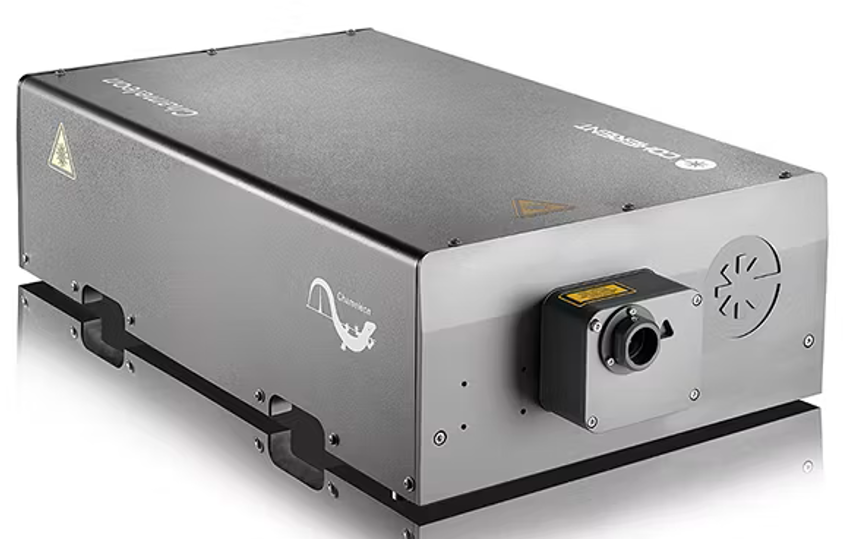
The overall appearance helps confirm the equipment family and installed platform.
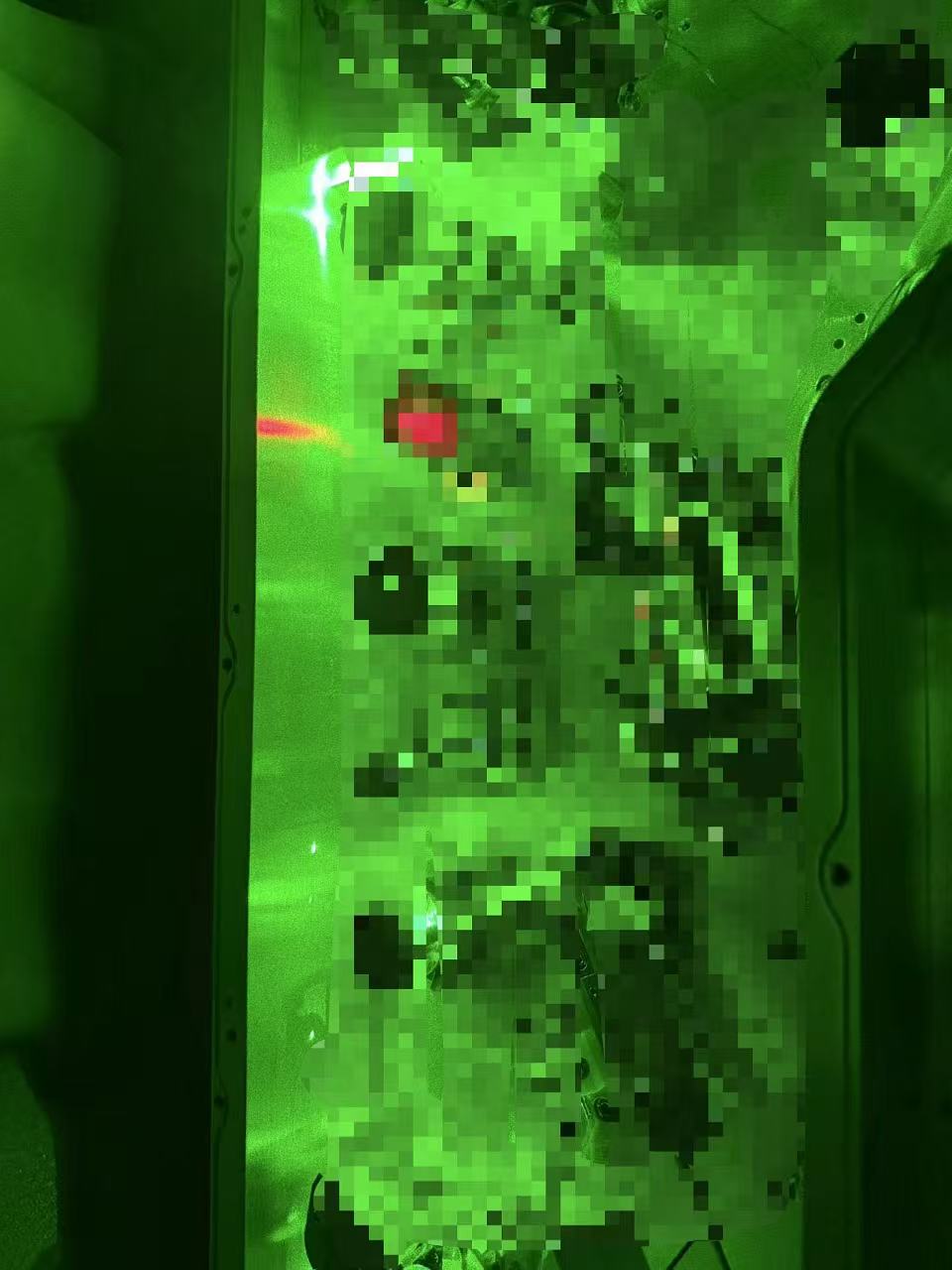
Interior imagery is useful when the source section or service area is already visible and can be compared safely.
These public-facing notes convert recent field feedback into intake guidance. They are not a final diagnosis; they help buyers prepare a clearer first review.
When these symptoms appear, describe the operating state, recent change, alarm behavior, output condition, and whether the issue is intermittent or repeatable.
For Chameleon Ultra, current application context and symptom timing are especially useful before service review.
You do not need a full diagnosis before reaching out. A clear model reference and supporting files are enough to start a productive review.